 ultimate-guide
Benefits of Genuine OEM Components for Your Vehicle
Table of Contents
- What Are Genuine OEM Components?
- Guaranteed Fit and Compatibility
- OEM vs Aftermarket Parts Comparison
- Impact of Non-OEM Parts on Vehicle Warranty
- How to Verify Genuine OEM Parts
- Enhanced Performance and Long-Term Reliability
- Why Genuine OEM Components Matter for Resale Value
- Frequently Asked Questions
Last Updated: September 21, 2026
What Are Genuine OEM Components?
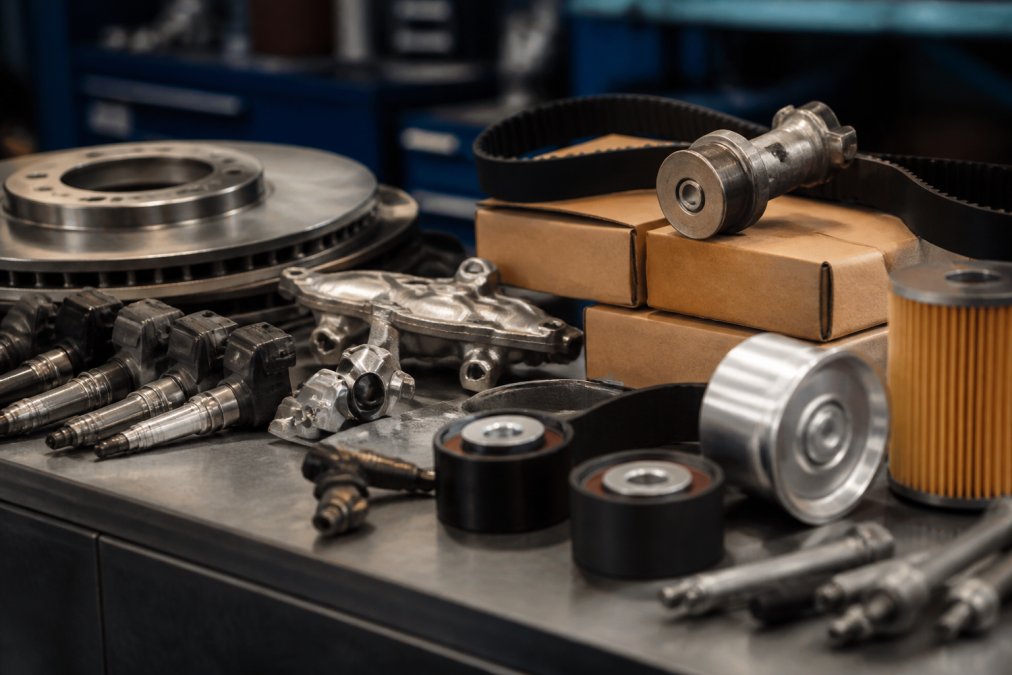
Genuine OEM components are replacement parts manufactured by the original equipment manufacturer, the company that built your vehicle. For Audi, Porsche, and Volkswagen owners, this means parts engineered and produced to the exact specifications your car was designed with. These aren't generic aftermarket substitutes; they're the same components installed on the assembly line.
When you choose genuine OEM components, you're getting precision-engineered parts that integrate seamlessly with your vehicle's systems.
OEM parts undergo rigorous quality control testing for durability, performance, and compatibility with your specific model and year, separating them from aftermarket alternatives.
Guaranteed Fit and Compatibility
Genuine OEM components fit your vehicle's exact specifications, mounting points, electrical connectors, mechanical tolerances, with no guesswork or modification needed.
Aftermarket alternatives often require drilling holes, modifying brackets, or working around misaligned connectors. Genuine OEM parts bolt in as intended and function exactly as designed.
Modern vehicles rely on dozens of interconnected sensors and electronic systems. Genuine OEM components maintain factory calibration and integration; aftermarket parts often fail to match this, causing warning lights, reduced performance, or system errors.
OEM vs Aftermarket Parts Comparison
| Aspect | Genuine OEM Components | Aftermarket Parts |
|---|---|---|
| Manufacturing Standards | Factory-engineered to exact specifications | Variable quality control |
| Fitment Accuracy | Guaranteed precise fit | Often requires modification |
| Warranty Coverage | Full manufacturer backing | Limited or no coverage |
| System Integration | Seamless with vehicle electronics | May cause warning lights |
| Long-Term Reliability | Engineered for vehicle lifespan | Shorter operational lifespan |
| Performance Optimization | Maintains factory performance | May reduce performance |
| Resale Value Impact | Preserves vehicle value | Can reduce resale value |
Aftermarket parts cost less upfront, but the comparison becomes complex when factoring in longevity, warranty implications, and resale value.
Genuine OEM components are engineered to match your vehicle's operational lifespan with material composition and stress tolerances aligned to manufacturer expectations. Aftermarket parts often meet lower durability thresholds, resulting in shorter operational life.
Impact of Non-OEM Parts on Vehicle Warranty
Your vehicle's warranty requires maintenance with genuine OEM components and adherence to service intervals. Installing aftermarket parts, especially on critical systems, breaks that contract.
If a component fails after you installed an aftermarket alternative on a related system, the manufacturer can refuse the entire warranty claim. An aftermarket air intake could void engine warranty; an aftermarket suspension component could void steering system coverage.

Secondary damage claims are expensive. An incompatible fuel injector causing a lean-running condition that damages your catalytic converter leaves you liable for full repair costs.
Insurance Claim Denial and Coverage Gaps
If an aftermarket component fails and causes an accident, your insurance company can deny coverage or reduce the payout, arguing the failure resulted from using a non-OEM component that didn't meet safety specifications.
An aftermarket brake pad failure during highway driving could result in insurance claim denial if investigators discover non-OEM pads were installed, leaving you responsible for repairs, medical expenses, and liability.
The same exposure exists for suspension, steering, and electrical components, insurance may deny coverage if aftermarket parts fail and cause accidents or damage.
Many insurance policies require safety-critical repairs use OEM parts. Installing aftermarket parts on brakes, suspension, steering, or airbags can trigger coverage exclusions.
Liability Exposure Beyond Insurance
If an aftermarket component failure causes injury, you face direct liability lawsuits. Your insurance company may refuse to defend you if you violated policy terms by installing non-OEM parts.
Brakes, suspension, steering, and airbag systems must meet Federal Motor Vehicle Safety Standards (FMVSS). OEM components are tested and certified; aftermarket components often are not. Installing non-compliant parts creates liability for injuries.
Audi forged alloy wheel 19-inch →
Resale and Title Issues
Non-OEM repairs can result in title branding as "rebuilt" or "salvage" in some states, significantly reducing resale value and making the vehicle harder to sell.
For Audi, Porsche, and Volkswagen owners, warranty protection is especially valuable given high dealership repair costs. Genuine OEM components protect both warranty coverage and insurance claims.
How to Verify Genuine OEM Parts
Counterfeit parts are a real problem, scammers replicate packaging, part numbers, and holograms. Verifying authenticity protects you from knockoffs.
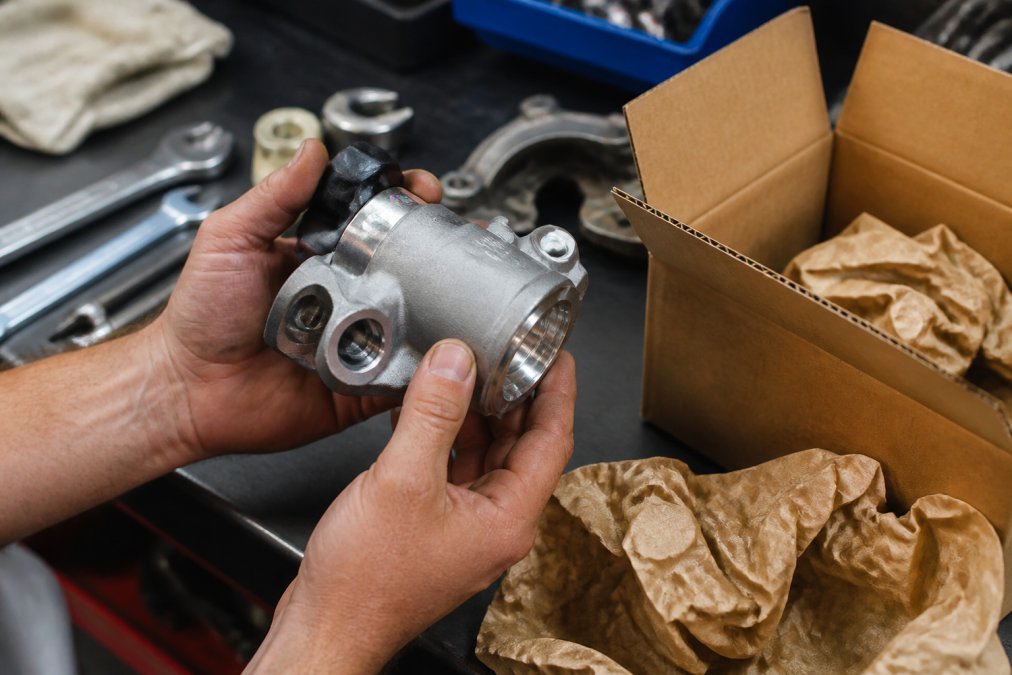
Every genuine OEM component carries a manufacturer part number stamped on the component and packaging. Cross-reference this number with your vehicle's documentation or the manufacturer's parts catalog, if it doesn't match, it's not genuine.
Genuine OEM packaging has proper branding, correct color schemes, and professional printing. Counterfeit packaging often shows misspellings, blurry logos, or inconsistent colors. Look for security features like holograms or watermarks.
The component itself tells a story. Genuine OEM parts have consistent manufacturing marks, proper surface finishes, and precise tolerances. Counterfeit parts often show rough edges, inconsistent paint or coating, or misaligned markings. If you're replacing a part you removed from your vehicle, compare the old part directly to the new one, genuine replacements match the original's quality and finish.
Where you buy matters. Purchasing from authorized retailers like European OEM Parts Direct eliminates most counterfeit risk. These retailers have direct relationships with manufacturers and verify authenticity as part of their supply chain. Online retailers without manufacturer authorization are higher risk, they may not have systems to verify parts before selling them.
Request documentation. Reputable retailers provide certificates of authenticity or can verify the part number against the manufacturer's database. If a seller can't or won't provide this verification, that's a red flag.
Enhanced Performance and Long-Term Reliability
Genuine OEM components are engineered for your specific vehicle's performance envelope, but the reason goes deeper than fit and finish. Modern vehicles rely on interconnected sensor networks and engine control units (ECUs) that communicate thousands of times per second. OEM parts are calibrated to work within these digital ecosystems; aftermarket parts often aren't.
Consider a brake pad replacement. An OEM brake pad set is engineered not just for stopping power, but for the specific friction coefficient your vehicle's anti-lock braking system (ABS) expects. The ABS module monitors wheel speed sensors and adjusts brake pressure in milliseconds. If you install an aftermarket pad with a different friction curve, the ABS system detects the mismatch and may trigger warning lights or reduce braking performance during emergency stops. Your vehicle's safety system is now fighting against the component you installed.
The same principle applies to oxygen sensors, mass airflow sensors, and fuel injectors. These components communicate with your engine management system to optimize fuel mixture, ignition timing, and emissions control. An OEM oxygen sensor has the exact output voltage curve your ECU expects. A counterfeit or incompatible aftermarket sensor sends slightly different signals, causing the ECU to misinterpret engine conditions. The result: rough idle, reduced fuel economy, increased emissions, and potential check engine lights.
For suspension components, OEM engineering accounts for your vehicle's weight distribution, center of gravity, and handling characteristics. A genuine OEM shock absorber is tuned to your specific model's spring rate and ride height. An aftermarket alternative might fit the mounting points but deliver a different damping curve. This changes how your vehicle handles in corners, how it responds to braking, and how it absorbs road impacts. Over time, this mismatch accelerates wear on other suspension components.
Long-term reliability compounds these differences. OEM components are stress-tested under the specific operating conditions your vehicle experiences.
Why Genuine OEM Components Matter for Resale Value
When you sell your vehicle, potential buyers evaluate its condition, maintenance history, and component quality. Vehicles that have been maintained with genuine OEM components command higher resale values because buyers trust that the vehicle was preserved to manufacturer specifications.
Frequently Asked Questions
What is the difference between genuine OEM parts and aftermarket components?
Genuine OEM parts are manufactured by the original equipment manufacturer to exact factory specifications, ensuring perfect compatibility with your vehicle's systems. Aftermarket parts are produced by third-party manufacturers and may vary in quality, fitment, and performance. OEM components go through standardized testing and quality control standards that aftermarket parts may not meet, affecting durability and system integration with your specific vehicle model.
How do non-OEM parts affect my vehicle's warranty?
Using non-OEM parts can void your vehicle's warranty coverage. Manufacturers design warranties around genuine components that meet their specifications. If a component failure occurs and your vehicle has non-OEM parts installed, the manufacturer may deny warranty claims related to that system or part. This is why maintaining warranty validation through OEM parts is critical for protecting your investment and avoiding unexpected repair costs.
How can I ensure I'm buying genuine OEM components and not counterfeit parts?
Verify authenticity by checking the part number against your vehicle's documentation, examining packaging for manufacturer holograms and security features, and purchasing from authorized dealers like European OEM Parts Direct. Counterfeit parts often have misspelled text, poor packaging quality, or incorrect part numbers. Always request a receipt with the OEM part number, and use the VIN search tool to confirm the exact component your vehicle requires before purchasing.
Are genuine OEM parts worth the higher price compared to aftermarket options?
Yes, genuine OEM components provide superior cost-benefit analysis over time. While initial prices are higher, OEM parts offer precision engineering, better longevity, warranty protection, and maintained resale value. Aftermarket failures often lead to additional repair costs and potential damage to other systems. For European vehicles like Audi, Porsche, and Volkswagen, using OEM parts preserves mechanical stress tolerances and sensor calibration, preventing cascading component failures that cost far more than the initial savings from cheaper alternatives.