 how-to
Genuine Trunk Liners: VW Interior Care Guide
Last Updated: October 22, 2026
Quick Summary
Maintaining your Volkswagen interior with genuine trunk liners means using a molded tray built from the factory's own measurements to catch dirt, spills, and scratches before they reach the carpet. Confirm fitment by VIN rather than model year alone, then clean with mild soap and soft tools and dry fully before reinstalling.
- A raised edge on the liner traps liquid before it soaks into the cargo carpet.
- Order by VIN, since trims and mid-cycle changes can shift the cargo floor shape.
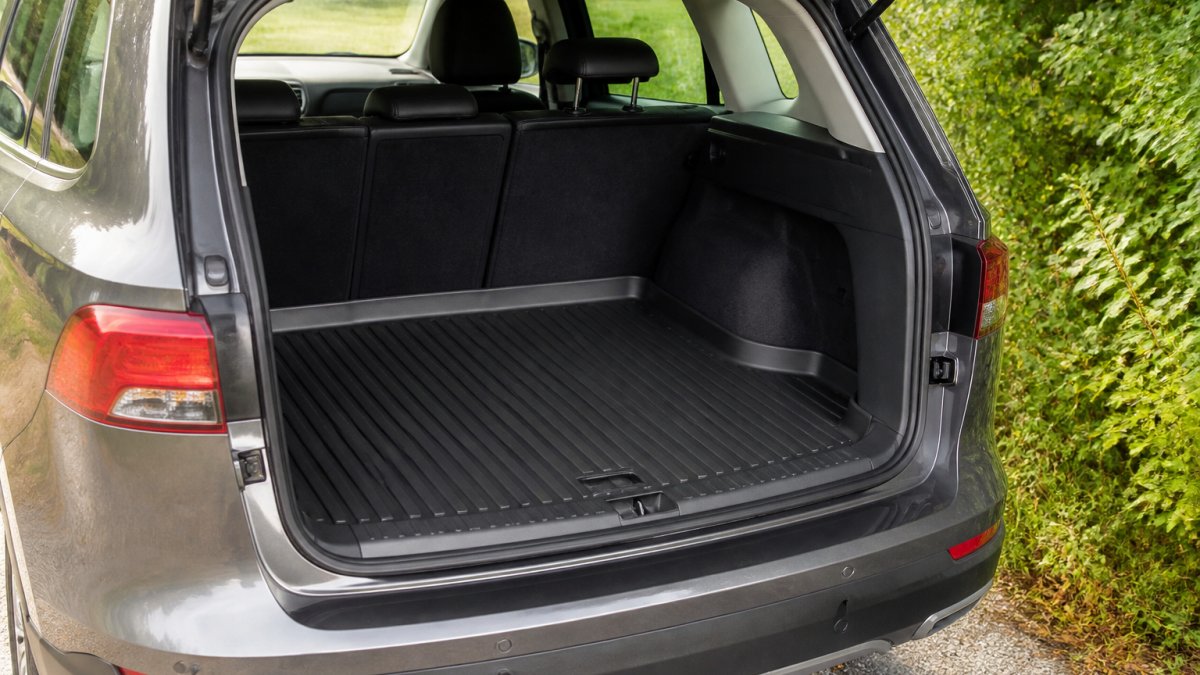
- The Atlas liner part 3CN-061-161-A has a raised edge and textured skid-resistant finish.
- Installation needs no tools: vacuum, wipe, lower the liner in, and press edges into contours.
- Never reinstall a damp liner, because trapped moisture feeds odor and surface corrosion.
Table of Contents
- Why Genuine Trunk Liners Matter for Your Volkswagen Interior
- Volkswagen Trunk Liner Fitment: Getting the Right Part Number
- OEM vs. Universal Trunk Liner: What Actually Fits and Lasts
- Step-by-Step: How to Install a Genuine Trunk Liner
- How to Clean a Car Trunk Liner Without Damaging It
- Car Trunk Odor Prevention: Stop Smells Before They Start
- Conclusion
- Frequently Asked Questions
Why Genuine Trunk Liners Matter for Your Volkswagen Interior
A trunk liner is a molded protective tray that sits over your Volkswagen's cargo floor to catch dirt, spills, and scratches before they reach the carpet. Genuine trunk liners are designed from the factory's own measurements, so they fit the exact contours of your model's cargo area.
Here's what most guides get wrong: they treat a trunk liner as a cosmetic add-on. It isn't. It is the cheapest insurance you can buy for your interior.
- Spill containment: A raised edge traps liquid before it soaks into carpet
- Impact protection: A textured surface keeps cargo from sliding and gouging trim
- Resale value: A clean, undamaged cargo area holds up better at inspection
- Easy cleanup: Wipe or rinse the liner instead of shampooing carpet
The real difference between a protected trunk and a ruined one comes down to fit. That's where the part number matters.

Volkswagen Trunk Liner Fitment: Getting the Right Part Number
Volkswagen trunk liner fitment starts with your VIN, not your model year alone. Trims, seat configurations, and mid-cycle changes can shift the cargo floor shape, and a liner built for one layout will not seat correctly in another.
A common mistake is ordering by model name only. A 2020-2025 Atlas with an extended seat back cover uses a different liner than a standard cargo mat, and the part number reflects that.
The Atlas liner we stock, part 3CN-061-161-A, is a good example. It is designed with a raised edge and a textured skid-resistant finish, custom-molded for your Volkswagen model.
How to confirm your part number:
- Enter your VIN in our vehicle picker for an exact match
- Check the part number against the listing before checkout
- Call or message us if your model year sits on a trim break
- Keep the order confirmation with your service records
That last step matters more than people think. If you ever sell the car, a documented genuine part is a small but real trust signal.
OEM vs. Universal Trunk Liner: What Actually Fits and Lasts
OEM vs. universal trunk liner is not a close contest on fit. A universal mat is trimmed to a rough shape and held in place by friction or adhesive strips. An OEM liner is molded to your specific cargo floor, including the wheel wells, seat back, and tie-down points.
In practice, this means a universal mat slides, curls at the edges, and leaves gaps where debris collects. An OEM liner sits flush and stays put.
| Feature | OEM Trunk Liner | Universal Trunk Liner |
|---|---|---|
| Fit | Molded to your model | Trim-to-fit, approximate |
| Edge coverage | Raised lip contains spills | Flat, spills escape |
| Retention | Seats into factory contours | Relies on friction or adhesive |
| Material durability | Factory-spec, tested for the model | Varies widely by seller |
| Resale impact | Looks factory-correct | Often looks added-on |
The trade-off is price and availability. Universal mats are cheap and everywhere. OEM liners cost more and require the right part number. For a car you plan to keep, the OEM route wins on both protection and resale.
Step-by-Step: How to Install a Genuine Trunk Liner
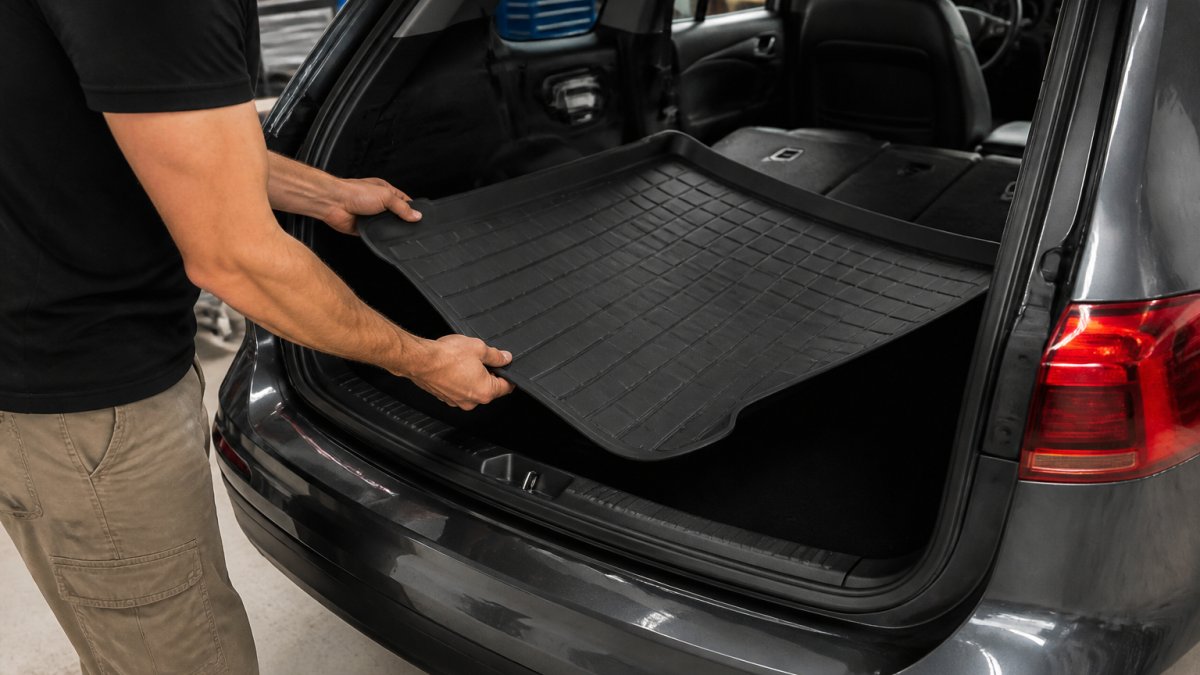
Installation needs no tools. The liner is designed to drop into place, so the work is mostly prep.
2020-2025 Volkswagen Atlas - Trunk Liner With Extended Seat Back Cover →
- Empty the trunk completely. Remove the spare tire cover contents, groceries, and loose cargo.
- Vacuum the cargo floor. Dirt trapped under the liner can grind against the carpet over time.
- Wipe down the surface. A damp cloth removes dust so the liner seats flat.
- Fold the rear seats if your liner covers the seat backs. This gives you room to align the extended piece.
- Lower the liner in from the rear. Start at the seat back and work toward the tailgate.
- Press the edges into the factory contours. You should feel it settle, not force it.
- Check the tie-down points. The liner should sit under or around them, not block them.
- Reinstall cargo and test. Slide a heavy item across the surface to confirm it grips.
Expected result: The liner sits flush with no curling edges, and the raised lip faces up to contain spills.
If it doesn't seat, stop. Forcing a liner means you have the wrong part number, and a wrong-fit liner protects nothing.
How to Clean a Car Trunk Liner Without Damaging It
Knowing how to clean a car trunk liner comes down to three rules: mild soap, soft tools, and no harsh solvents. Most OEM liners have a textured, easy-to-clean surface that handles routine cleaning well.
- Routine wipe-down: Damp cloth with mild dish soap and water
- Stubborn grime: Soft-bristle brush, light pressure, circular motion
- Loose debris: Vacuum first, then wipe
- Deep clean: Remove the liner, rinse with a hose, air dry fully before reinstalling
- What to avoid: Bleach, acetone, abrasive pads, and pressure washers held close to the surface
A common mistake is scrubbing hard with an abrasive pad. That dulls the texture and can wear through the finish, which is exactly what the liner is supposed to protect against.
Dry the liner completely before you put it back. Trapped moisture under a liner is the fastest route to a musty trunk.
Car Trunk Odor Prevention: Stop Smells Before They Start
Car trunk odor prevention is easier than odor removal. The liner does most of the work by keeping spills off the carpet, but a few habits close the gap.
- Clean spills immediately. A spill left overnight sets into the texture.
- Air out damp cargo. Wet gear, gym bags, and umbrellas trap moisture.
- Keep the drain channels clear. Debris blocking the trunk's drain points holds water.
- Store nothing wet long-term. A damp towel left for a week is a smell waiting to happen.
- Check under the liner monthly. A quick lift catches moisture early.
If a smell has already set in, remove the liner, clean both surfaces, and let everything dry fully before reassembly. Most trunk odors trace back to moisture, not the liner itself.
Conclusion
Keeping a Volkswagen interior clean takes less effort than repairing it. The right liner, the right part number, and a simple cleaning routine protect your cargo area and your resale value.
At European OEM Parts Direct, we make finding the correct part straightforward. Use our vehicle picker or VIN search to match your exact model, and our on-hand inventory means fewer canceled orders. Every part we ship is genuine OEM, built for your Volkswagen.
Frequently Asked Questions
How do you clean a Volkswagen trunk liner?
Remove the liner from the vehicle first. Shake out loose dirt, then vacuum both sides. Wash the liner with mild dish soap and warm water using a soft brush, rinse thoroughly, and dry it completely before reinstalling. For the 2020-2025 Volkswagen Atlas Trunk Liner With Extended Seat Back Cover (part 3CN-061-161-A), the textured skid-resistant finish and easy-to-clean surface handle routine spills well. Avoid harsh solvents that can dull the material.
What is the difference between a genuine Volkswagen trunk liner and a universal liner?
A genuine trunk liner is custom-molded to your specific model, so it follows the contours of the cargo area and covers the extended seat back where applicable. Universal liners are trimmed to fit many vehicles and often leave gaps at the edges. The Atlas liner, for example, has a raised edge to contain spills and a textured finish to keep items from shifting. That fitment difference is why genuine trunk liners protect better over time.
How can you prevent odors from developing under a trunk liner?
Moisture trapped under the liner is the usual cause. Remove the liner monthly and check the cargo floor for dampness or debris. Dry any wet spots immediately, and clean the liner itself regularly. If you carry wet gear, wipe the liner and let it air out before reinstalling. A dry, clean surface under the liner stops mold and mildew from getting a foothold.
How do you find the correct trunk liner for your Volkswagen model?
Use your vehicle identification number (VIN) or the vehicle picker on a parts site to match the liner to your exact model and year. For instance, the 2020-2025 Atlas uses part 3CN-061-161-A. VIN search confirms fitment even for older or less common models, so you avoid ordering a liner that does not match your cargo floor layout.
Your trunk takes a beating every week. Give it the protection it was designed for. Find your genuine trunk liner at European OEM Parts Direct today.