 comparison
Genuine vs Aftermarket VW Components: What You Need to Know
Table of Contents
- Genuine vs Aftermarket Volkswagen Components: The Core Differences
- Benefits of Using OEM Car Parts for Your Volkswagen
- Cost Comparison: Genuine Parts vs Aftermarket Options
- Does Aftermarket Parts Void Car Warranty
- How to Check VW Parts Authenticity and Avoid Counterfeits
- Performance and Durability: Genuine Components in Action
- Making the Right Choice for Your Volkswagen
- Conclusion
Last Updated: August 25, 2026
Genuine vs Aftermarket Volkswagen Components: The Core Differences
When you need a replacement part for your Volkswagen, the choice between genuine and aftermarket options shapes cost, reliability, warranty coverage, and long-term vehicle performance. Understanding what genuinely separates these two categories isn't just about price, it's about knowing what you're actually buying.
Genuine OEM components are parts manufactured by Volkswagen or authorized suppliers engineered to match your vehicle's exact specifications. Aftermarket parts are produced by third-party manufacturers who reverse-engineer or approximate Volkswagen's designs. While some aftermarket suppliers maintain excellent quality standards, others cut corners on materials, tolerances, or testing.
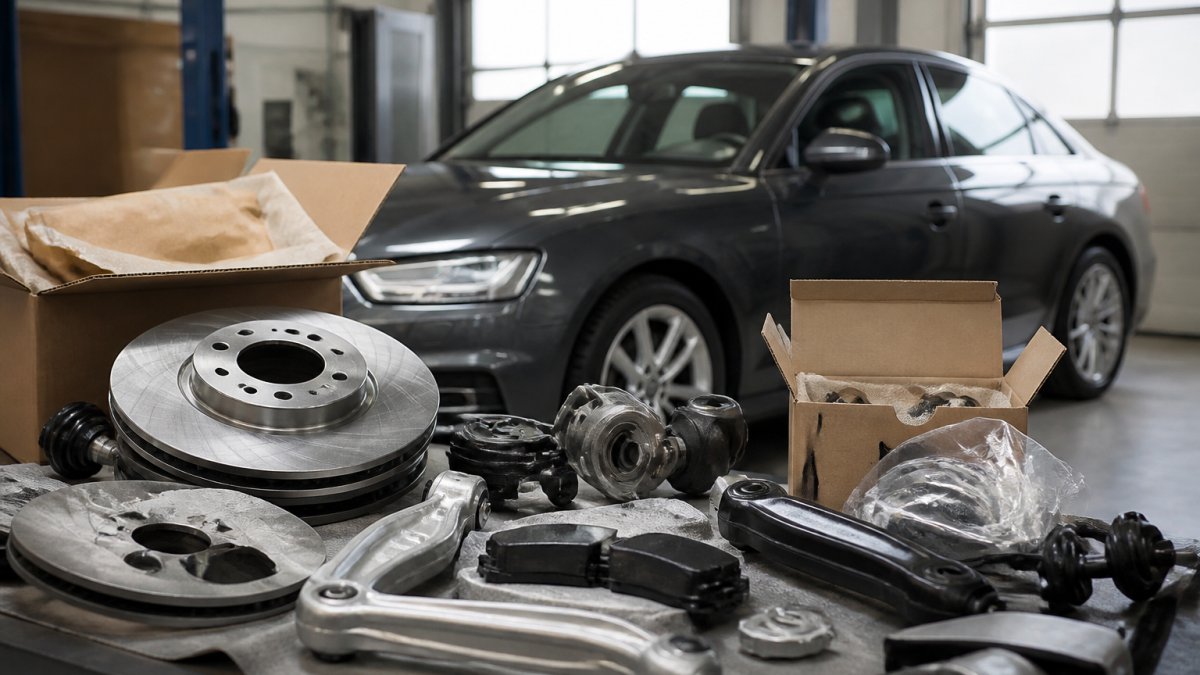
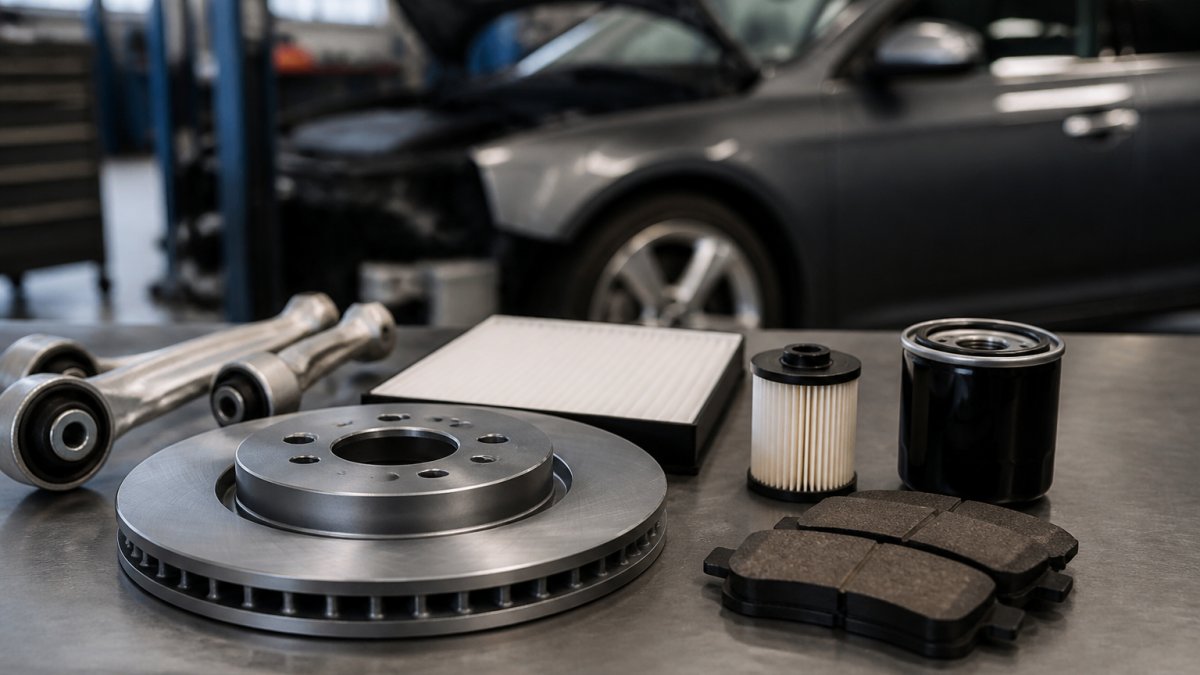
The distinction matters most when dealing with safety-critical systems. A brake rotor's friction coefficient, thermal capacity, and wear sensor compatibility all affect how your vehicle stops. Get those details wrong, and you're gambling.
What Makes a Part Genuine OEM
A genuine Volkswagen component begins with engineering specifications developed in Wolfsburg or Stuttgart. The part is manufactured to exact tolerances, tested against Volkswagen's quality standards, and assigned a specific part number tied directly to your vehicle's VIN and model year. This traceability matters, if a defect surfaces across a production batch, Volkswagen can identify every affected vehicle and issue recalls or replacements.
Genuine parts come with full documentation, correct part numbers, installation instructions specific to your model, and warranty coverage. Fitment is guaranteed because the part was designed for your exact vehicle configuration.
When you purchase genuine components through European OEM Parts Direct, you're getting parts sourced directly from Volkswagen's distribution network with verification of authenticity and full manufacturer backing.
How Aftermarket Parts Differ
Aftermarket manufacturers typically work from publicly available specifications or reverse-engineered designs. They may use different materials, slightly different tolerances, or alternative manufacturing processes to reduce costs. Some choices are inconsequential; others create problems that surface months or years after installation.
Aftermarket brake pads, for example, often generate more dust and noise than genuine components due to different friction material formulations. Aftermarket suppliers also lack centralized quality control, recall systems, or guarantees that today's part matches one purchased six months later.
Benefits of Using OEM Car Parts for Your Volkswagen
Choosing genuine components delivers advantages that extend far beyond the initial purchase, affecting everything from reliability to resale value.
Performance and Fitment Reliability
Genuine Volkswagen components are engineered to work within exact system parameters. A caliper designed for your model integrates with your brake system's pedal modulation, ABS logic, and wear sensor compatibility. Install an aftermarket caliper, and you might experience softer pedal feel, longer stopping distances, or sensor warning lights.
This matters most for critical safety systems. Your brake rotor must dissipate heat at a specific rate while maintaining consistent friction coefficient across temperature ranges. Genuine rotors meet these requirements; many aftermarket alternatives do not.
Performance-focused owners often discover this the hard way. The Volkswagen GTI Performance Air Intake Kit from European OEM Parts Direct delivers enhanced airflow tuned specifically for your GTI's engine, with authentic fitment that respects your vehicle's design.

Long-Term Vehicle Value and Resale
Prospective buyers of used Volkswagens ask consistently: "What maintenance has been done, and with what parts?" A service history showing genuine OEM components increases buyer confidence and resale value. Buyers know that genuine parts mean the vehicle was maintained to manufacturer specifications.
Aftermarket part histories raise questions. Even if work was done correctly, buyers wonder whether corners were cut. This uncertainty depresses resale prices.
Cost Comparison: Genuine Parts vs Aftermarket Options
Price is the primary driver of aftermarket adoption, but the comparison requires looking beyond sticker price to total cost of ownership.
Upfront Pricing Breakdown
Genuine Volkswagen parts typically cost 30-60% more than aftermarket equivalents. A genuine brake pad set might run $180-220, while aftermarket alternatives start at $80-120. For major components like alternators, water pumps, or suspension parts, the gap widens significantly.
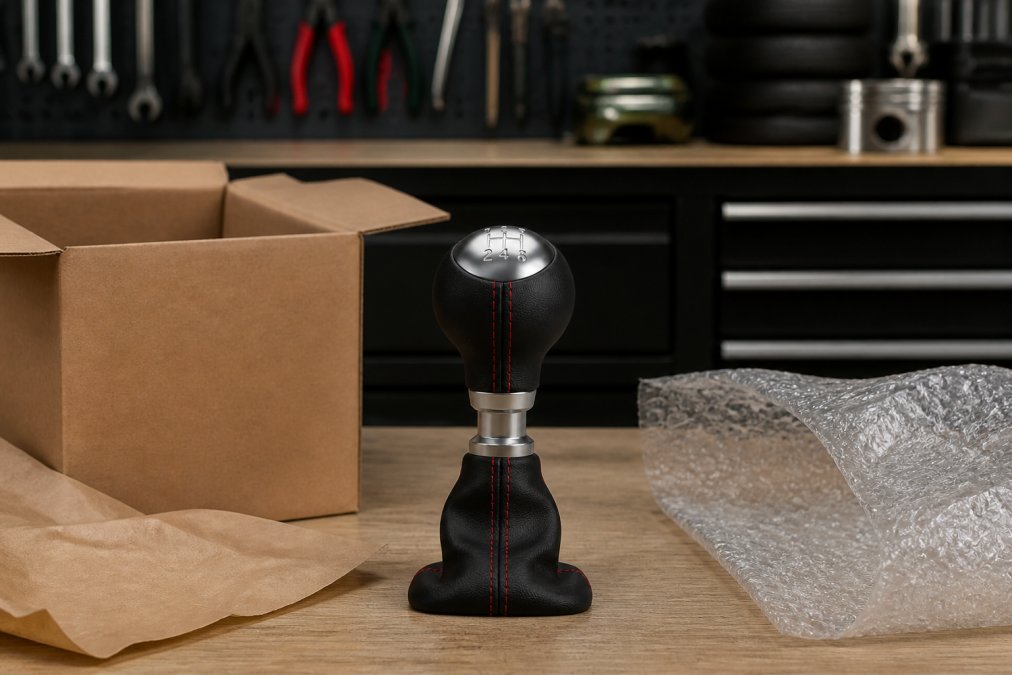
European OEM Parts Direct competes directly on pricing for genuine components by sourcing from authorized distributors. Our Volkswagen GTI leather shift knob runs $98, a premium component reflecting genuine engineering and materials, installed in minutes with no modification required.

Hidden Costs of Aftermarket Choices
Aftermarket parts introduce costs that don't appear on the invoice. If an aftermarket brake pad doesn't fit properly, you might need shims or caliper bracket modifications. If a wheel bearing fails prematurely due to inferior materials, you're paying for labor twice. If an alternator output doesn't match your vehicle's electrical load, you risk battery drain and electrical system damage.
Warranty claims present another hidden cost. Many aftermarket parts carry limited warranties, sometimes 30 days, sometimes 1 year with strict conditions. If a component fails at month 13, you're replacing it at full cost. Genuine Volkswagen parts typically come with longer coverage, and European OEM Parts Direct stands behind every part we sell.
Does Aftermarket Parts Void Car Warranty
This question surfaces constantly, and the answer depends on which warranty you're discussing and which parts you're installing.
Warranty Coverage with OEM Components
Your Volkswagen's factory warranty, typically 3 years or 36,000 miles, covers defects in materials and workmanship. Genuine OEM components don't void this coverage. Using genuine parts strengthens your warranty position because you're maintaining the vehicle exactly as Volkswagen specifies.
If you install a genuine brake rotor and it fails prematurely, Volkswagen's warranty covers the replacement. Extended warranties and aftermarket coverage plans also accept genuine OEM parts without question.
Aftermarket Parts and Warranty Risk
If you install an aftermarket part and a related component fails, Volkswagen can deny warranty coverage for that related component if they prove the aftermarket part caused the failure. Install an aftermarket alternator that outputs incorrect voltage, and your battery dies prematurely. Volkswagen might refuse to cover the battery under warranty, arguing that your aftermarket alternator caused the failure.
The Magnuson-Moss Warranty Act prohibits manufacturers from voiding warranties solely on non-OEM parts, but the manufacturer must prove the aftermarket part caused the specific failure. In practice, this creates disputes that often go against the vehicle owner.
How to Check VW Parts Authenticity and Avoid Counterfeits
Counterfeit Volkswagen components represent a genuine problem in the parts market. Sophisticated fakes can pass visual inspection, so you might install a counterfeit part without realizing it until performance issues surface.
Verification Methods That Work
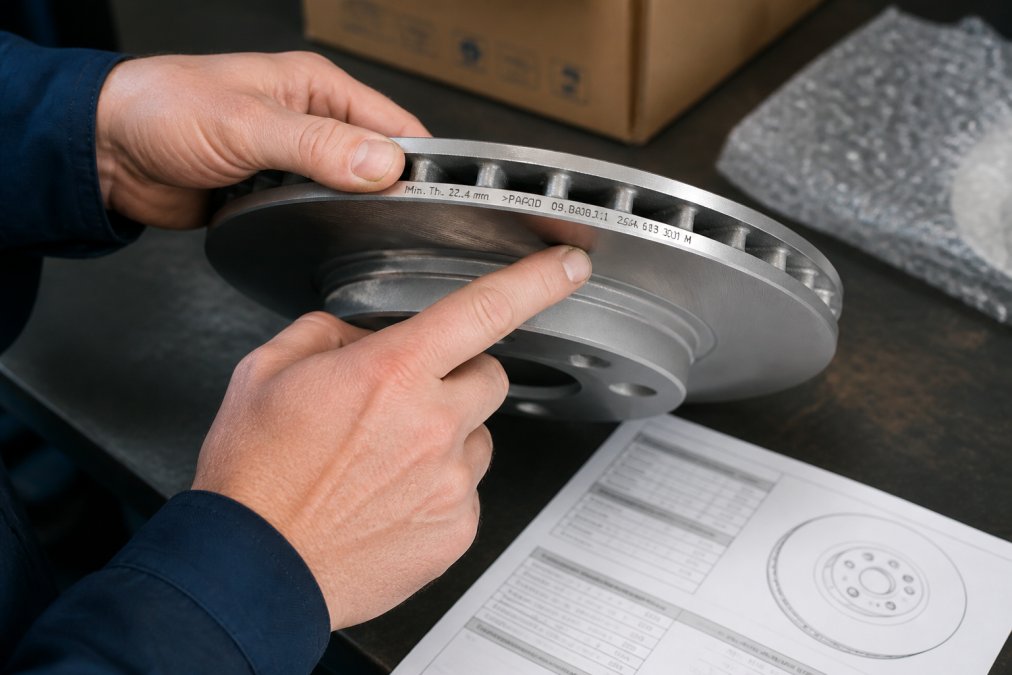
The most reliable verification starts with the part number. Every genuine Volkswagen component carries a specific part number tied directly to your vehicle's model year, engine code, and configuration. Use European OEM Parts Direct's VIN search, and the system returns only the correct parts for your exact vehicle.
When you receive a part, verify the part number against Volkswagen's official documentation. Genuine parts include printed labels with the correct part number, manufacturing date codes, Volkswagen branding with proper logo reproduction, and clear, legible printing.
Check the packaging. Genuine Volkswagen parts arrive in branded boxes with consistent printing quality, proper labeling, and documentation. Counterfeit packaging often shows printing irregularities, misspelled text, or incorrect logos.
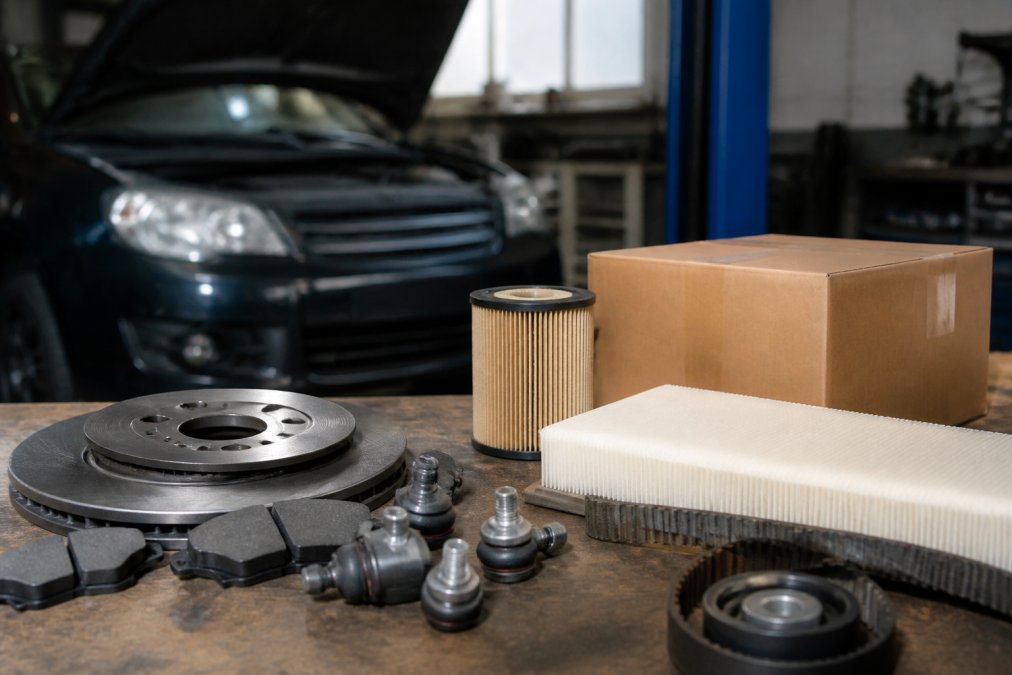
Physical inspection reveals more. Genuine brake components show consistent surface finish, proper edge breaks, and correct weight. Counterfeit rotors sometimes show rough casting surfaces or inconsistent finish.
Red Flags in Counterfeit Parts
Price significantly below market rates is the first warning. If you find a "genuine" Volkswagen alternator priced 60% below normal retail, you've found a counterfeit. Legitimate discounts run 15-25% below dealership pricing.
Seller reputation matters enormously. Purchase from authorized distributors like European OEM Parts Direct, not from marketplace sellers with minimal feedback. We maintain relationships with Volkswagen's distribution network and verify every part before shipment.
Packaging inconsistencies indicate problems. Misspelled text, incorrect logos, or poor print quality suggest counterfeit origins. Weight and physical characteristics often reveal fakes, a counterfeit brake pad set might weigh noticeably less due to inferior material composition.
Documentation gaps are another red flag. Genuine parts include installation instructions, warranty documentation, and part verification information.
Performance and Durability: Genuine Components in Action
Real-world performance differences between genuine and aftermarket components become apparent quickly once installation is complete. The distinction matters most in safety-critical systems where component durability directly affects your ability to control the vehicle.
Brake Systems and Critical Safety Components
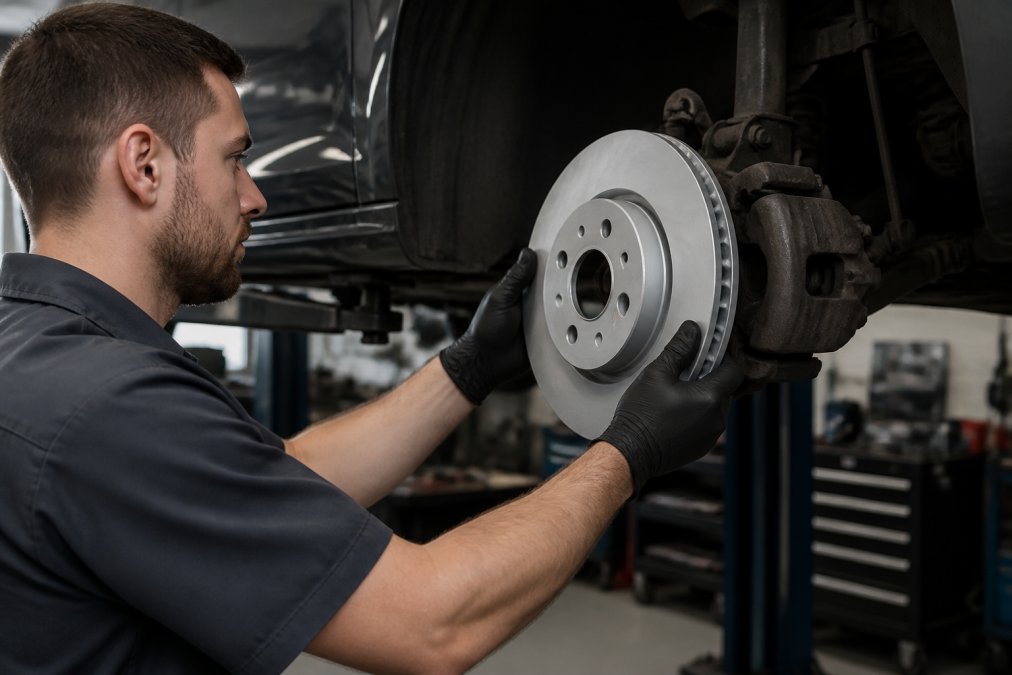
Your brake system represents the most critical safety interface between you and the road. Genuine Volkswagen brake components are engineered to work as an integrated system. The brake rotor, caliper, pad compound, and wear sensor all communicate through your vehicle's ABS and brake control systems.
Genuine brake pads use a specific friction coefficient matching your rotor's thermal characteristics and your ABS system's pressure modulation logic. Install the wrong pad compound, and you'll experience extended stopping distances, increased brake dust, or noise and vibration.
Brake fade, the loss of braking power under sustained hard braking, occurs when component temperatures exceed design parameters. Genuine Volkswagen rotors dissipate heat at rates your vehicle's braking system expects. Aftermarket rotors sometimes fail to meet these thermal capacity requirements.
Engine and Drivetrain Reliability
Engine components require precision that aftermarket suppliers often struggle to achieve. A genuine alternator outputs specific voltage under various load conditions, matching your vehicle's electrical system design. An aftermarket alternator might output slightly different voltage, causing parasitic battery drain or insufficient charging during extended driving.
Water pumps represent another critical component where durability differences emerge. Genuine Volkswagen water pumps use specific bearing materials and seal designs that resist corrosion and maintain seal integrity over 100,000+ miles. Aftermarket pumps sometimes fail prematurely due to inferior bearing materials or seal designs.
Performance-focused owners installing components like the Volkswagen GTI Performance Air Intake Kit should understand that genuine engineering extends beyond raw performance. The intake is tuned for your GTI's specific engine calibration, ensuring airflow characteristics match your ECU's expectations.
Making the Right Choice for Your Volkswagen
The decision between genuine and aftermarket components depends on your priorities and risk tolerance. For anything touching performance, safety, or long-term vehicle integrity, brake components, suspension parts, engine internals, electrical systems, genuine Volkswagen components deliver certainty that aftermarket alternatives cannot match.
European OEM Parts Direct simplifies this decision by offering genuine components at competitive pricing with our VIN search tool ensuring you get exactly the right part for your vehicle. Our inventory covers everything from routine maintenance items to hard-to-find components for older models.
The 2020-2025 Volkswagen Atlas Trunk Liner at $153 represents the genuine OEM approach to protection, custom-molded to your specific model with raised edges and skid-resistant finish.

Choosing between genuine and aftermarket Volkswagen components requires understanding what you're actually comparing. Genuine OEM parts deliver engineered reliability, warranty protection, and resale value that aftermarket alternatives struggle to match. European OEM Parts Direct makes sourcing genuine components convenient with our VIN search, competitive pricing, and quick shipping, so you can maintain your Volkswagen to manufacturer specifications without the dealership markup. Find parts for your specific vehicle and get started today.
| Component Type | Genuine OEM | Aftermarket | Best Choice |
|---|---|---|---|
| Brake pads/rotors | Engineered for your system | Variable quality/fitment | Genuine (safety-critical) |
| Air filters | Exact fitment, OEM spec | Often compatible | Either (non-critical) |
| Alternator | Matched voltage output | May vary | Genuine (electrical system) |
| Suspension parts | Precise tolerances | Approximate specs | Genuine (handling/safety) |
| Trim/accessories | OEM fitment guaranteed | May require modification | Either (cosmetic) |
Frequently Asked Questions
Is genuine OEM parts better than aftermarket parts for Volkswagen vehicles?
Genuine OEM parts are engineered specifically for your Volkswagen model and meet original manufacturer specifications. They offer superior fitment, compatibility with existing systems like brake sensors and electronic controls, and typically last longer than aftermarket alternatives. Aftermarket parts vary widely in quality and may not integrate seamlessly with your vehicle's electronics or safety systems, potentially affecting braking efficiency, brake fade resistance, and overall performance.
How can I identify genuine Volkswagen components and avoid counterfeits?
Verify authenticity by checking the part number against your vehicle's documentation, purchasing from authorized dealers or trusted OEM retailers, and inspecting packaging for proper branding and labeling. Genuine parts have clear manufacturer markings, correct part numbers, and come with documentation. Counterfeit parts often have spelling errors, poor packaging quality, inconsistent logos, and missing or incorrect part numbers. Always buy from established retailers like European OEM Parts Direct that guarantee authenticity.
Do aftermarket parts void my Volkswagen factory warranty?
Using aftermarket parts can void warranty coverage on related components or systems, depending on your warranty terms. If an aftermarket part fails or causes damage to other systems, the manufacturer may deny warranty claims on those components. Genuine OEM parts preserve full warranty coverage because they meet original specifications. Always check your warranty documentation and consult your dealership before installing aftermarket parts on critical systems like brakes, engine components, or electronic controls.
What are the real cost savings of choosing aftermarket parts over genuine components?
Aftermarket parts typically cost 20-40% less upfront than genuine OEM components, but hidden costs often eliminate savings. Shorter lifespan means more frequent replacements, potential installation complications requiring professional labor, compatibility issues requiring additional parts, and possible warranty denial costs. Genuine parts cost more initially but deliver longer service life, better resale value retention, and no warranty risk. For critical systems like brakes and engine components, genuine parts typically cost less over the vehicle's lifetime.
This article was written using GrandRanker