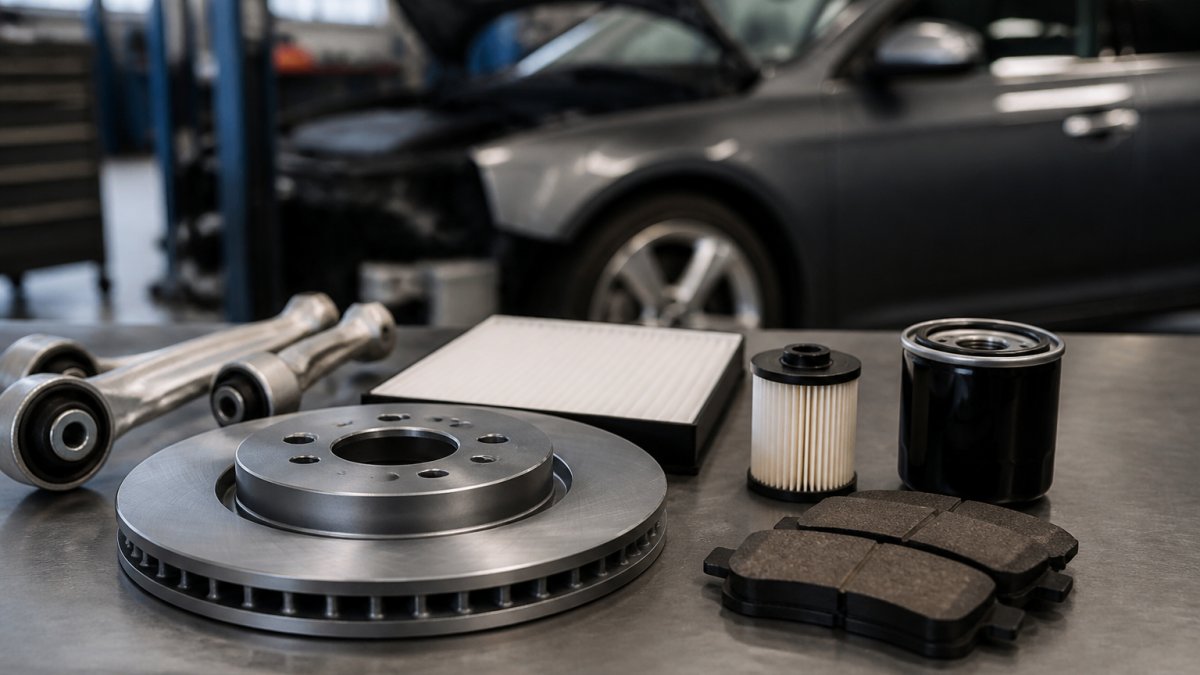
 comparison
Is Buying Genuine VW Parts Worth It?
Table of Contents
- OEM vs. Aftermarket Parts: What's the Real Difference?
- Benefits of Using OEM Car Parts for Your VW
- Risks of Using Cheap Aftermarket VW Parts
- Impact on Vehicle Warranty and Coverage
- Cost vs. Value: Is Genuine VW Parts Worth the Investment?
- How to Identify and Verify Genuine VW Parts
- Long-Term Reliability and Resale Value
- Conclusion
- Frequently Asked Questions
Last Updated: September 27, 2026
OEM vs. Aftermarket Parts: What's the Real Difference?
OEM parts are manufactured by or for Volkswagen, engineered to exact specifications, and designed to work seamlessly with your vehicle's systems. Aftermarket parts are produced by third-party manufacturers and often cost 30-50% less than genuine VW parts, but that price difference masks fundamental differences in how these components are made.
OEM parts go through Volkswagen's quality control process, meet engineering standards specific to your model, and carry the manufacturer's backing. Aftermarket parts vary widely in quality, some are solid alternatives, others cut corners on materials, precision fitment, or durability to hit a lower price point.
The real question isn't whether OEM parts cost more, they do. The question is whether that extra cost pays for itself through reliability, resale value, and fewer unexpected repairs.
Benefits of Using OEM Car Parts for Your VW
OEM parts are engineered specifically for your vehicle's exact year, model, and configuration. A genuine part slots into place with the correct tolerances, connects to existing systems without adaptation, and performs exactly as the engineers intended.
Precision and compatibility are the first advantage. The part number itself guarantees compatibility with your specific Volkswagen, eliminating the guesswork of aftermarket alternatives. A cargo liner that doesn't seat properly won't contain spills; an air intake kit that doesn't seal correctly loses the performance gains you're paying for.

Long-term reliability is the second. OEM parts are built to last as long as the vehicle itself, manufactured to meet Volkswagen's durability targets. Aftermarket parts often fail earlier because they're made to a lower cost target, not a durability target.
Warranty protection matters if something goes wrong. Genuine VW parts come with manufacturer backing. If an OEM part fails prematurely, you have recourse. Many aftermarket parts come with limited warranties or none at all, leaving you to absorb the cost of replacement and labor if something fails.
The Volkswagen Parts and Accessories warranty information covers genuine OEM components under specific conditions, giving you protection that extends beyond the initial purchase.
Risks of Using Cheap Aftermarket VW Parts
Component failure is the most obvious risk. A low-cost alternator might fail at 40,000 miles instead of 150,000. When an aftermarket part fails early, you're paying for replacement parts plus labor twice, once for the initial install, again when it fails.
Secondary damage is the hidden cost most owners don't anticipate. When an aftermarket fuel pump fails, it can damage your fuel injectors. A cheap timing belt tensioner can fail and destroy your entire timing system. OEM parts are engineered to work within your vehicle's systems; aftermarket parts sometimes don't, and the consequences compound.
Counterfeit parts are a real and growing threat in the online marketplace. Fake VW components exist for popular items like fuel injectors, oxygen sensors, and brake components. These counterfeits may look identical to genuine parts but lack the quality control, material specifications, and engineering precision of authentic OEM components.
The National Highway Traffic Safety Administration guidance on counterfeit automotive parts outlines the safety risks of non-genuine components, particularly for critical systems like brakes and steering.
How to Spot Counterfeit VW Parts: A Practical Checklist
Several concrete markers separate genuine components from fakes:
Packaging and labeling red flags:
- Spelling errors, grammatical mistakes, or inconsistent capitalization
- Blurry, low-resolution printing (genuine OEM packaging uses sharp, professional printing)
- Missing or illegible part numbers, barcodes, or VIN-specific information
- Generic or non-branded boxes for parts that should come in Volkswagen-branded packaging
Part number and documentation issues:
2020-2025 Volkswagen Atlas - Trunk →
- The part number doesn't match your vehicle's VIN or model year when cross-referenced against official Volkswagen catalogs
- No documentation, certificate of authenticity, or warranty information included
- The seller cannot provide a traceable invoice or proof of purchase from an authorized distributor
- Part numbers that appear on the component but don't match the box or invoice
Physical component inspection:
- Uneven casting, visible seams, or rough edges (OEM parts have consistent, clean manufacturing)
- Misaligned logos, badges, or text
- Inconsistent color, finish, or material quality compared to other OEM parts
- Connectors, fasteners, or threads that don't match genuine VW precision
Seller and transaction red flags:
- Price is 50%+ below market (20-30% below is normal for genuine parts)
- Seller operates from a general marketplace with limited history or mixed reviews
- Seller cannot provide business license, dealer credentials, or Volkswagen authorization
- Payment requested through untraceable methods (wire transfer, cryptocurrency)
- Seller's location doesn't match claimed business address
Online marketplace patterns:
- Listings claiming "OEM" or "genuine" sold by third-party resellers with no Volkswagen connection
- Stock images or photos copied from other listings
- Generic descriptions that don't mention your specific vehicle model year or trim
- Multiple "OEM" parts offered at identical discount rates (legitimate OEM pricing varies)
The Better Business Bureau guidance on counterfeit auto parts provides additional verification steps and warning signs to watch for when purchasing online.
Impact on Vehicle Warranty and Coverage
Using non-OEM parts can affect your Volkswagen's warranty, but the rules are more nuanced, and more favorable to you, than most people think.
The legal reality: Under the Magnuson-Moss Warranty Act (15 U.S.C. § 2302), a manufacturer cannot void your entire warranty simply because you used an aftermarket part somewhere on the vehicle.
Critical systems where warranty protection is strongest with OEM parts:
- Engine and internal components (pistons, valves, gaskets, timing chains)
- Transmission and drivetrain (gears, clutches, differentials)
- Emissions systems (catalytic converters, oxygen sensors, EGR valves)
- Brake systems (master cylinders, calipers, ABS modules)
- Steering and suspension (control arms, tie rods, shock absorbers)
- Electrical systems (alternators, starters, battery management modules)
Wear items and accessories where warranty impact is minimal:
- Floor mats, cargo liners, and trunk organizers
- Trim pieces, door handles, and exterior moldings
- Interior upholstery and seat covers
- Windshield wipers and washer fluid
- Light bulbs and fuses
Cost vs. Value: Is Genuine VW Parts Worth the Investment?
For critical systems like engine, transmission, suspension, and brakes, OEM parts almost always deliver better value despite higher upfront cost. A genuine brake pad set lasts longer, performs more consistently, and won't damage your rotors. Over the life of your Volkswagen, you'll spend less on brakes total by buying OEM.
How to Identify and Verify Genuine VW Parts
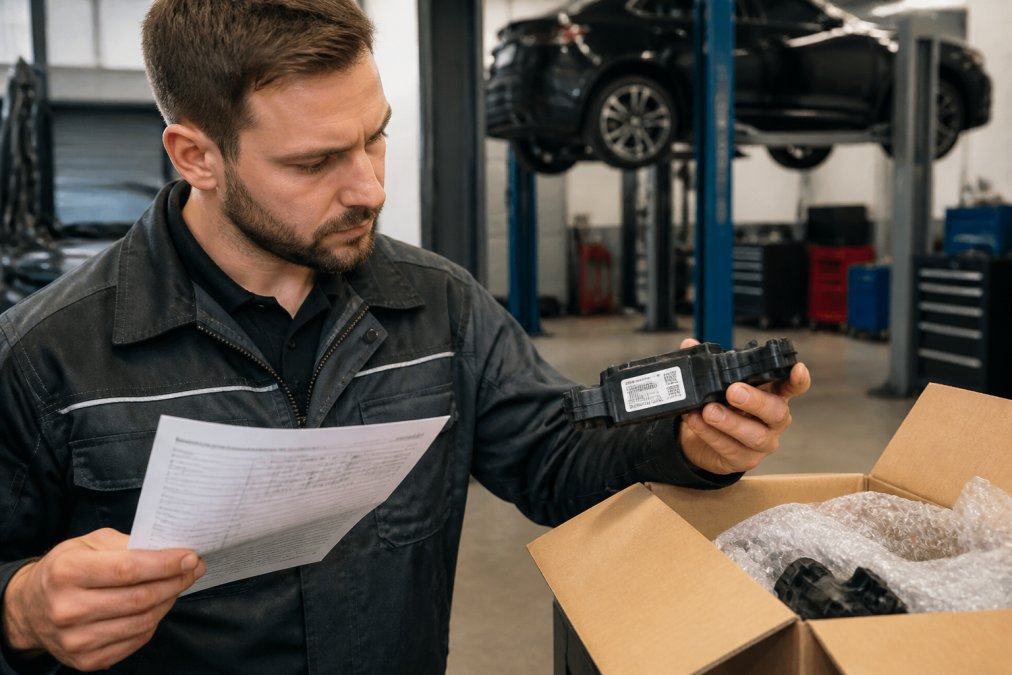
Check the part number. Every genuine Volkswagen part has a specific part number that corresponds to your vehicle's VIN. If a seller can't provide an exact part number or it doesn't match your vehicle's configuration, walk away.
Long-Term Reliability and Resale Value
OEM parts protect both your immediate driving experience and your vehicle's long-term value. A vehicle maintained with genuine components develops a track record of dependability. When you sell your Volkswagen, a maintenance record showing OEM parts and regular service at authorized dealers signals that the vehicle was cared for properly. Buyers trust vehicles with this history and are willing to pay more for verifiable OEM maintenance records.
| Maintenance Factor | OEM Parts | Aftermarket Parts |
|---|---|---|
| Precision fitment | Guaranteed for your model | Variable; may require adaptation |
| Long-term reliability | Engineered for vehicle lifespan | Often fails earlier |
| Warranty protection | Full manufacturer backing | Limited or none |
| Resale value impact | Increases buyer confidence | May raise questions |
| Secondary damage risk | Minimal; engineered for compatibility | Higher; unknown interactions |
| Counterfeit risk | Eliminated through authorized dealers | Significant in online marketplaces |
Conclusion
Is buying genuine VW parts worth it? For most systems and most owners, the answer is yes. OEM parts cost more upfront but deliver better precision fitment, longer service life, warranty protection, and higher resale value. The financial advantage of cheap aftermarket components disappears quickly when you factor in premature failure, secondary damage, and counterfeit risk.
Frequently Asked Questions
Are VW OEM parts better than aftermarket alternatives?
Yes. Genuine VW parts are engineered to exact specifications for your vehicle's systems, ensuring precision fitment and optimal performance. Aftermarket components may fit but often lack the engineering standards and quality control of OEM parts. OEM parts also maintain compatibility with your vehicle's warranty, while many aftermarket options can trigger warranty voidance. Long-term reliability and resale value typically favor genuine components.
How can I verify if a VW part is genuine?
Check for authentic packaging with clear VW branding and part numbers. Genuine parts have precise fit and finish with consistent quality. Purchase from authorized dealers or verified retailers like European OEM Parts Direct that guarantee authenticity. Counterfeit parts often show spelling errors, poor packaging quality, or mismatched part numbers. Request documentation of part origin if buying used or refurbished components.
Do aftermarket parts void my Volkswagen factory warranty?
Aftermarket parts can affect your warranty coverage on related systems. Under federal law, manufacturers cannot void your entire warranty simply because you used an aftermarket part, they must prove the part caused the failure. However, if an aftermarket component directly causes damage to a covered system, warranty coverage for that repair is typically denied. Genuine OEM parts protect your full warranty coverage without this risk.
What are the long-term benefits of using genuine VW components?
OEM parts preserve your vehicle's mechanical integrity, performance optimization, and longevity. They maintain consistent fit and finish across all systems, preventing secondary damage from poor compatibility. Genuine parts support better resale value since buyers trust OEM maintenance history. They also reduce the risk of component failure and unexpected repairs, saving money over your ownership period. Your vehicle's service life extends when all parts work together as engineered.