 comparison
Genuine Alloy Wheels and Vehicle Handling: What Changes
Table of Contents
- How Genuine Alloy Wheels Change Vehicle Handling
- OEM vs Aftermarket Wheels: Fitment, Certification, and Safety
- Forged vs Cast Alloy Wheels: Strength, Weight, and Handling
- Alloy Wheel Fitment and Offset: Why Specs Decide Handling
- When Alloy Wheels Do Not Improve Handling
- What to Check Before You Buy: Specs, Load Rating, and Fitment
- Frequently Asked Questions
Last Updated: October 15, 2026
How Genuine Alloy Wheels Change Vehicle Handling
Genuine alloy wheels affect vehicle handling mainly by cutting unsprung mass and rotating mass at each corner, which lets the suspension react faster and keeps the tire pressed more consistently against the road.
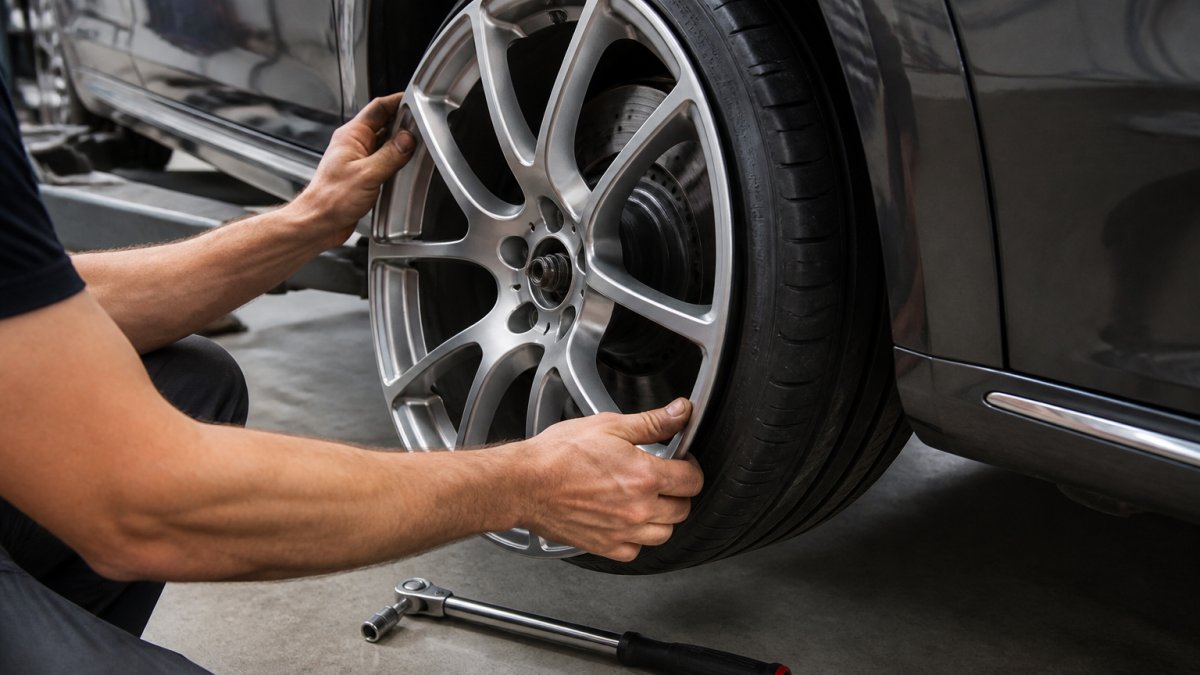
Unsprung mass is the total weight of everything not supported by the springs: wheels, tires, brake rotors, calipers, and part of the suspension links.
Unsprung Mass, Rotating Mass, and Why They Matter
Unsprung mass sits below the springs, so it moves every time the wheel hits a bump. Less of it means the tire follows the road surface instead of bouncing off it. Rotating mass adds a second penalty because it must both move and spin, so weight saved at the wheel counts for more than weight saved in the trunk. That is the mechanical case for lightweight construction, and it is why forged wheels matter more than most bolt-on upgrades.

How Wheel Weight Affects Handling, Grip, and Braking
Lighter wheels sharpen steering response and help the tire stay in road contact over broken pavement. A common mistake is assuming this automatically means more grip. It does not. Grip comes from the tire compound and contact patch; lighter wheels simply let that tire work closer to its limit. Braking performance improves less from reduced rotating mass than from brake heat management, so do not expect shorter stops from wheels alone.
OEM vs Aftermarket Wheels: Fitment, Certification, and Safety
Most articles treat "alloy wheel" as one category. It is not. The handling and safety outcome depends on which of four distinct product types you bolt to the hub, and the differences are not cosmetic.
| Type | Who Makes It | Fitment Accuracy | Load Rating | Typical Markings |
|---|---|---|---|---|
| Genuine OEM | The vehicle manufacturer or its contracted supplier | Exact offset, center bore, bolt pattern, and load rating for your chassis | Published and matched to the vehicle | Part number, casting/forging code, country of origin, manufacturer logo |
| OEM-supplier (same factory, different brand) | The tier-one supplier that built the OEM wheel | Usually identical tooling | Usually identical | Supplier markings, sometimes no vehicle-brand logo |
| Replica | Third-party copies of a popular OEM design | Approximate; often varies by a few millimeters in offset or bore | Frequently unspecified | Design copied, certification marks often absent |
| Counterfeit | Unlicensed copies sold as genuine | Uncontrolled | Uncontrolled | Faked part numbers and logos |
A wheel can be round, balanced, and still wrong. Offset that is 5 mm off changes scrub radius and steering feel. A center bore that is too large requires a hub-centric ring, and if that ring is omitted the wheel can shift under load. The NHTSA guidance on tires and wheels treats wheel and tire load capacity as a safety matter, which is why we push owners toward verified genuine parts.
How to Verify Genuine OEM Wheels
Verification is a paperwork and inspection exercise, not a visual one. A counterfeit can look identical in a photo.
- Find the part number. It is stamped or cast into the wheel, usually on the back of a spoke or near the hub. Photograph it before you order anything.
- Confirm it against your VIN. A dealer parts counter or a reputable OEM parts seller can match the number to your specific chassis and trim. The same model year can use different wheels across trim levels.
- Inspect the markings. Genuine wheels carry a manufacturer logo, a country of origin, and casting or forging codes. Counterfeits often reproduce the design but skip the load rating and certification marks.
- Check the load rating. It should meet or exceed the vehicle's gross axle weight, not just the wheel's advertised capacity.
- Ask for provenance. If a seller cannot give you the exact part number for your chassis, or cannot explain where the wheel came from, walk away.
Why Certification and Load Rating Matter More Than Looks
Certification testing covers cornering fatigue, radial fatigue, and impact, the three failure modes that matter on the road. A wheel that has not been tested to a recognized standard may hold up in normal driving and fail on the first pothole at speed. Load rating is the other half: a wheel rated below your vehicle's gross axle weight is being asked to carry more than it was designed for, and the failure mode is a crack, not a warning light.
This is the practical difference between genuine and generic. Genuine wheels are built to a specification that was validated against your chassis. Everything else is a variable you are introducing.
Forged vs Cast Alloy Wheels: Strength, Weight, and Handling
Forged alloy wheels are stronger and lighter than cast wheels because the metal's internal grain is compressed rather than poured. That strength lets engineers remove material without weakening the wheel, which is where the handling benefit comes from. Cast wheels cost less and work fine for daily driving, but they carry more weight for the same strength.

Our Porsche forged alloy wheel is a genuine example: lightweight construction that improves handling response without giving up durability. For Audi owners, the Audi forged alloy wheel 19-inch cuts unsprung weight for sharper response, with OEM sizing that keeps factory hardware and fitment intact.
| Type | Strength | Weight | Best For |
|---|---|---|---|
| Forged | Highest | Lowest | Performance driving |
| Cast | Good | Higher | Daily driving, budget |
Alloy Wheel Fitment and Offset: Why Specs Decide Handling
Wheel specifications, not wheel material, decide how a car steers, grips, and rides. Five numbers matter, and each one changes a different part of the handling equation.
| Spec | What It Is | How It Changes Handling |
|---|---|---|
| Diameter | Overall wheel height | Larger diameter shortens the tire sidewall, which sharpens turn-in but reduces ride compliance and adds tire mass |
| Width | Distance between bead seats | Wider wheels support a wider contact patch and more lateral grip, but can rub the strut or fender and increase steering effort |
| Offset | Distance from the hub mounting face to the wheel centerline | Moves the tire in or out relative to the suspension; changes scrub radius and steering feel |
| Center bore | Diameter of the hub hole | Must match the hub or a hub-centric ring is required; a mismatch can cause vibration and wheel shift under load |
| Load rating | Maximum weight the wheel is designed to carry | Must meet or exceed the vehicle's gross axle weight; below that is a structural risk |
Offset and Scrub Radius: The Steering-Feel Variable
Offset is the number most often changed for appearance, and the one most likely to hurt handling. Positive offset pulls the wheel inward toward the suspension; negative offset pushes it outward toward the fender. Changing offset moves the tire's contact patch relative to the steering axis, which changes scrub radius.
Audi forged alloy wheel 19-inch →
A small scrub radius change is usually benign. A large one makes steering vague on center, twitchy over bumps, and heavier at low speed. It also increases load on wheel bearings and can cause the tire to contact the fender under compression.
Diameter, Width, and the Tire Trade-Off
Going up in diameter does not automatically improve handling. A larger wheel requires a shorter sidewall to keep the overall rolling diameter close to stock. A shorter sidewall flexes less, which sharpens steering response and reduces sidewall roll in corners, but it also transmits more road impact into the cabin and offers less protection for the wheel itself.
Width works the other way. A wider wheel lets you run a wider tire, which increases the contact patch and lateral grip. The trade-offs are clearance, steering effort, and, on wet roads, a higher risk of aquaplaning if the tire cannot evacuate water fast enough.
Center Bore and Load Rating: The Two Specs Buyers Forget
Center bore is the hole that centers the wheel on the hub. If it is larger than the hub, the wheel is located by the lug bolts alone, which is not how it was designed to be centered. A hub-centric ring solves this, but only if it is the correct size and is actually installed.
Load rating is the spec that turns a handling question into a safety question. It must meet or exceed the vehicle's gross axle weight. A wheel rated below that is being asked to carry more than it was designed for, and the failure mode is a crack, not a warning light.
When Alloy Wheels Do Not Improve Handling
Alloy wheels will not fix handling if the tires, alignment, or suspension are the weak points. A heavier cast alloy can weigh more than a steel wheel of the same size, so the swap can actually hurt. Wet-road performance depends on tread and rubber far more than wheel material. On rough roads, a stiffer, lighter wheel can also transmit more impact into the cabin and be easier to bend.
- Heavy cast alloys may add weight versus steel
- Worn tires mask any wheel benefit
- Bad alignment cancels steering gains
- Larger diameters often mean heavier tires
What to Check Before You Buy: Specs, Load Rating, and Fitment
Confirm four numbers before ordering: bolt pattern, offset, center bore, and load rating. Match the load rating to your vehicle's gross axle weight, not to the wheel's appearance. Check clearance for brake calipers, especially on performance models. Buy from a seller who can confirm the part number against your VIN, and keep the receipt for resale.
Frequently Asked Questions
Do alloy wheels improve handling compared to steel wheels?
Yes, in most cases. Alloy wheels are typically lighter than steel, which reduces unsprung mass and rotating mass. That can sharpen steering response, help the suspension react faster over bumps, and support more consistent tyre contact. The size of the gain depends on the specific wheel weights, tyre choice, and suspension setup. A lighter alloy wheel paired with a quality tyre usually delivers the most noticeable improvement in daily driving.
How does wheel weight affect handling and fuel efficiency?
Lower wheel weight reduces the energy needed to accelerate and the force required for the suspension to control the wheel over bumps. That can mean quicker turn-in, better road holding on uneven surfaces, and slightly better fuel efficiency because the engine works less to spin the wheels. The effect on fuel efficiency is usually small, but the handling and ride comfort changes are often more noticeable to the driver.
Are forged wheels better for handling than cast alloy wheels?
Forged wheels are generally stronger and lighter than cast wheels of the same size, so they can reduce unsprung mass further and hold their shape better under hard cornering. That often translates to sharper steering and more predictable handling. Cast wheels can still perform well, but forged construction usually costs more. For drivers who prioritize handling and durability, forged wheels are often the better choice.
What should I check before buying alloy wheels for my Audi, Porsche, or VW?
Verify the bolt pattern, offset, center bore, and load rating match your vehicle's requirements. Check that the wheels are genuine OEM or meet the same standards, and confirm they are compatible with your tyre size and suspension. Use a VIN search or vehicle picker to avoid fitment errors. If you are unsure, consult a specialist who knows your model. Correct fitment is essential for safe handling.
Handling upgrades only work when every part matches your chassis, and mismatched wheels quietly undo the gains you paid for. European OEM Parts Direct stocks genuine Audi, Porsche, and VW wheels, with a vehicle picker and VIN search that confirm the exact part before you order, plus competitive online pricing and convenient shipping. Find Parts and get the correct fitment the first time.