 how-to
How to Fix Check Engine Light on European Cars
Table of Contents
- What a Check Engine Light Means on Your European Car
- Solid vs. Flashing Check Engine Light: What's the Difference?
- How to Diagnose Using an OBD-II Scanner for European Cars
- Common Check Engine Light Codes in VW, Audi, and Porsche Vehicles
- Step-by-Step Repair Process for European Vehicles
- Resetting the Check Engine Light Safely
- When to Stop Driving and Seek Professional Help
- Common Mistakes to Avoid
- Frequently Asked Questions
Last Updated: September 30, 2026
What a Check Engine Light Means on Your European Car
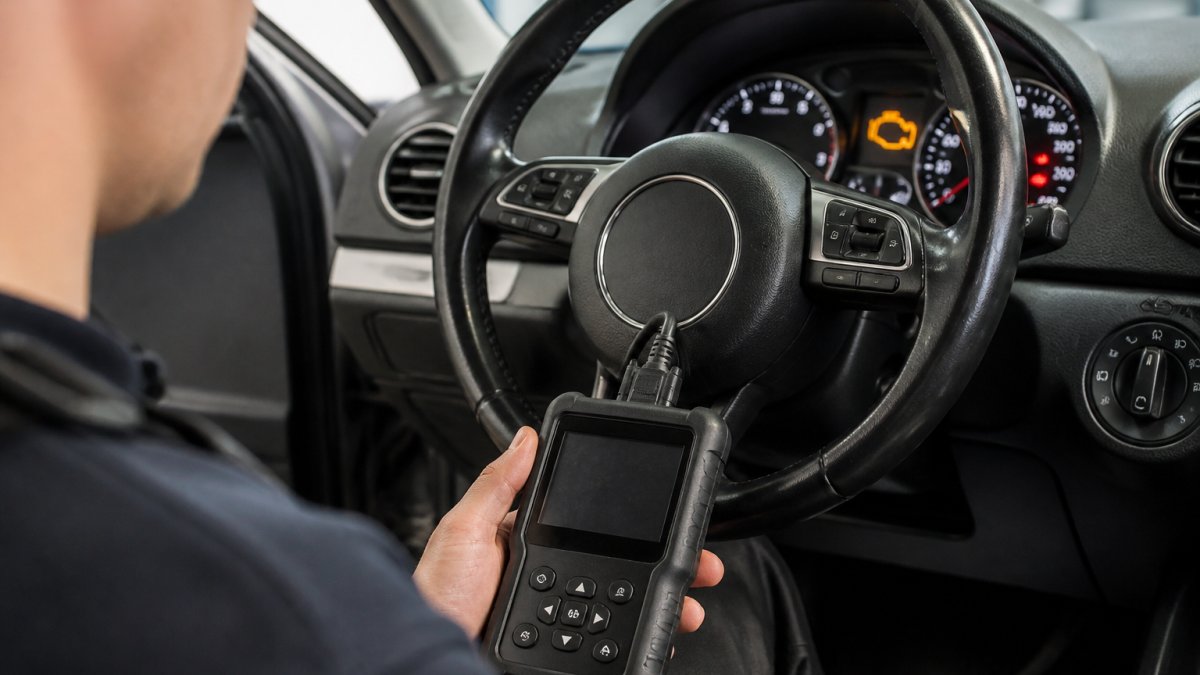
A check engine light european car appears when your car's engine control module (ECM) detects a problem with the emissions system, engine performance, or transmission. The onboard diagnostic system logs a Diagnostic Trouble Code (DTC) that needs attention.
Ignoring the light won't cause immediate damage, but the underlying problem can worsen. A small oxygen sensor issue today might become a catalytic converter failure tomorrow, costing far more to fix.
Solid vs. Flashing Check Engine Light: What's the Difference?
A solid light indicates a non-urgent fault; your car is drivable but needs diagnosis soon. A flashing light is an emergency, stop driving immediately.
Solid light: A stable fault like a loose gas cap, faulty oxygen sensor, or vacuum leak. You can drive to a repair shop.
Flashing light: Active misfiring sends unburned fuel into the catalytic converter, risking overheating and failure. Stop driving and call a tow truck.
How to Diagnose Using an OBD-II Scanner for European Cars
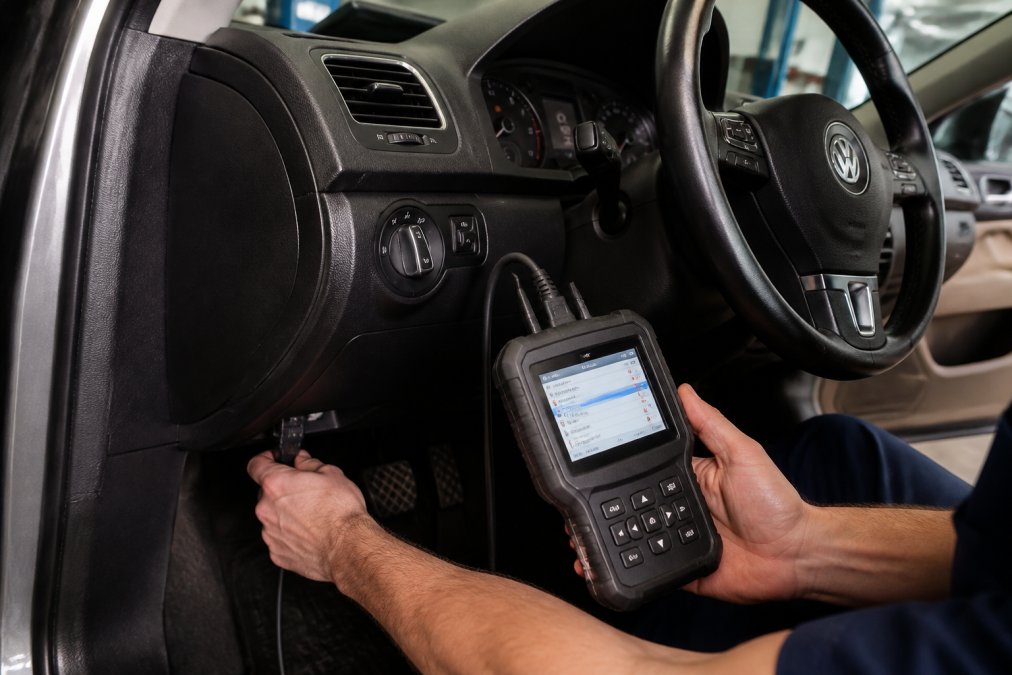
An OBD-II scanner reads diagnostic codes from your car's ECM. Most European cars from 1996 onward have an OBD-II port under the dashboard on the driver's side. However, many manufacturer-specific fault codes require specialized scanners to read fully.
Standard OBD-II Scanners vs. European Proprietary Tools
A basic OBD-II scanner reads generic codes (P0, P2, P3, P4 range) standardized across all manufacturers. European brands like Volkswagen Group, BMW, and Mercedes-Benz use manufacturer-specific codes (P1xxx range) that standard scanners cannot interpret.
- VAG-COM (for Volkswagen Group vehicles: VW, Audi, Porsche, Skoda)
- ISTA (for BMW and Mini)
- STAR Diagnostic (for Mercedes-Benz)
- Peugeot Planet (for PSA Group vehicles)
When a Basic Scanner Is Sufficient
If your check engine light is triggered by a generic code (P0134, P0420, P0300, P0171, P0101), a basic OBD-II scanner ($30-$150) will read and clear it. These tools read generic emissions codes, view freeze frame data, clear codes after repair, and verify fixes.
When You Need Manufacturer-Specific Diagnostics
Seek a proprietary scanner or professional shop if:
- The code is in the P1xxx range (manufacturer-specific)
- Multiple codes appear simultaneously (complex electrical or emissions issues)
- The generic code description doesn't match your symptoms
- The problem is intermittent and freeze frame data alone doesn't explain it
- Transmission, ABS, or stability control codes appear alongside the check engine light
- You need to perform module coding or adaptations (common on newer European vehicles)
A Porsche 911 with a P1128 code requires Porsche's PIWIS system to fully diagnose; a standard scanner shows the code but can't test the heater circuit or access real-time voltage data.
Step-by-Step Diagnosis with a Basic Scanner
Step 1: Locate the OBD-II port under your steering column (16-pin connector).
Common Check Engine Light Codes in VW, Audi, and Porsche Vehicles
European vehicles generate specific diagnostic trouble codes. Understanding what each code means saves time and money.
Step-by-Step Repair Process for European Vehicles
Once you've read the diagnostic code, you know what to fix. The repair process follows a logical sequence.
Identifying the Specific Problem
Don't assume the code tells the whole story. A P0134 might indicate a wiring issue or bad connector, not the sensor itself. Inspect the component for loose/corroded connectors, damaged wiring, or contamination. A P0171 (lean condition) might be a vacuum leak, not a fuel system problem. Inspect vacuum hoses for cracks or loose connections.
Sourcing Genuine OEM Parts for European Vehicles
Genuine OEM parts ensure correct performance; aftermarket parts often don't match your vehicle's specifications. European cars have tight tolerances, a generic oxygen sensor might read differently, affecting fuel trim and engine performance. Have your VIN ready when ordering to get the exact part number for your model year and engine type.
Performing the Repair
Most common check engine light european car repairs are DIY-friendly if you have basic tools and mechanical confidence.
Resetting the Check Engine Light Safely
Never clear codes without fixing the underlying problem, the light returns within days.
When to Stop Driving and Seek Professional Help
Some check engine light issues require professional diagnosis. Know when DIY work exceeds your skill level and when the cost of professional diagnosis actually saves money compared to buying tools or replacing parts incorrectly.
Immediate Safety Stops
Stop driving immediately if: The light is flashing (active misfire), the engine is overheating, you smell burning rubber/fuel/rotten eggs (catalytic converter overheating), the car is losing power, or the engine is knocking. These indicate active engine damage; continuing to drive risks permanent catalytic converter ($800-$2,500) or engine damage.
Diagnostic Complexity vs. DIY Cost Trade-Off
DIY diagnostic costs: Basic OBD-II scanner ($30-$150), proprietary scanner ($200-$1,500), specialty tools ($50-$200). Total: $80-$1,700 depending on tools you own.
When Professional Diagnosis Saves Money
Seek professional help if:
- You can't identify the faulty component after reading the code
- The repair requires special tools (oxygen sensor socket, fuel injector removal tools, transmission pan removal)
- Multiple codes appear simultaneously (indicates complex electrical or emissions issues)
- Your car has transmission-related codes (P0700 series) or ABS codes alongside the check engine light
- You're unsure about electrical work or sensor connector repairs
- The code is manufacturer-specific (P1xxx range) and you don't have proprietary diagnostic software
- The problem is intermittent and doesn't reproduce during your test drive
A Volkswagen Jetta with a P0171 code (System Too Lean) might seem like a MAF sensor issue, but the real problem could be a vacuum leak, failing fuel pump, clogged filter, or faulty fuel pressure regulator. A professional diagnostic can identify the cause, potentially saving money versus guessing and replacing parts incorrectly.
European Vehicles Require Specialized Knowledge
European vehicles have complex emissions systems requiring manufacturer-specific equipment. A Porsche needs PIWIS, a BMW needs ISTA, a Mercedes-Benz needs STAR Diagnostic. Seek professional diagnosis for direct injection codes, turbocharger codes, adaptive transmission codes, advanced emissions codes, or integrated module codes, these require manufacturer-specific knowledge.
Finding the Right Professional
Independent European specialists cost $100-$200 and have deep expertise. Dealerships charge $150-$300 but have manufacturer-specific equipment. Chain shops lack European expertise; avoid them for complex issues. Ask if the shop has experience with your brand and the required diagnostic equipment.
Common Mistakes to Avoid
Rushing the diagnosis leads to wasted money and time. Avoid these pitfalls.
Frequently Asked Questions
Can I fix a check engine light myself on a European car?
Yes, many check engine light issues on European cars can be diagnosed and fixed at home if you have the right tools and mechanical knowledge. Start by using an OBD-II scanner to read the diagnostic trouble codes (DTCs) from your vehicle's engine control module (ECM). Simple fixes like replacing spark plugs, oxygen sensors, or mass airflow sensors are within reach for DIY enthusiasts. However, more complex issues involving the catalytic converter or transmission require professional equipment and expertise. Always ensure you source genuine OEM parts for your Audi, Porsche, or VW to maintain performance and reliability.
Is it safe to drive with a flashing check engine light?
No, a flashing check engine light indicates a serious problem, usually engine misfire or catalytic converter damage. Driving with a flashing light can cause further damage to your powertrain and emissions system. Stop driving immediately and have the vehicle diagnosed with a scan tool. A solid check engine light is less urgent and typically allows safe driving to a repair facility, but a flashing light demands immediate attention. Continuing to drive risks expensive repairs to the catalytic converter and engine control module (ECM).
What are the most common causes for a check engine light in Audi, Porsche, and VW vehicles?
European vehicles commonly trigger check engine lights due to oxygen sensor failures, mass airflow sensor malfunctions, catalytic converter problems, and faulty ignition coils. Vacuum leaks are also frequent culprits in VW and Audi models. European cars have more sensitive emissions systems than domestic vehicles, so fuel trim issues and fuel pressure problems trigger codes more readily. Spark plugs and fuel caps are less common causes in European vehicles compared to domestic cars. Use an OBD-II scanner to read the specific diagnostic trouble codes (DTCs) to pinpoint the exact issue affecting your vehicle.
How do I use an OBD-II scanner to diagnose my European car?
Locate the OBD-II port under your dashboard (usually below the steering wheel). Plug in your scanner and turn the ignition to the 'On' position without starting the engine. The scanner will communicate with your engine control module (ECU) and retrieve stored diagnostic trouble codes (DTCs). Write down the codes and their descriptions, these pinpoint the problem area (oxygen sensor, catalytic converter, emissions system, etc.). Many OBD-II scanners also display real-time data and freeze frame information showing engine parameters at the moment the fault occurred. This data helps confirm whether the issue is a sensor failure or a deeper mechanical problem.