 ultimate-guide
Auto Parts Returns Policy: A Complete Guide
Table of Contents
- Understanding Auto Parts Returns Policy Basics
- Return Window Duration and Eligibility
- Auto Parts Restocking Fees and Other Penalties
- Returning Installed Car Parts: What You Need to Know
- How to Return Parts Bought with VIN: Step-by-Step
- Documentation and Shipping Requirements
- Non-Returnable Items and Core Charges
- Troubleshooting Fitment Issues Before You Return
- Frequently Asked Questions
Last Updated: September 4, 2026
Ordering the wrong part happens to nearly every DIY mechanic. Understanding the returns policy before you buy can save you from being stuck with a useless component. This guide breaks down the standard rules, common fees, and the exact steps to get your money back when a part doesn't work out.
Auto parts returns are more complex than general retail. Parts come with specific conditions around installation, packaging, and whether they've been opened. Knowing these rules upfront is the difference between a quick refund and a costly lesson in fine print.
Understanding Auto Parts Returns Policy Basics
An auto parts returns policy covers eligibility windows, condition requirements, and fees. These policies exist because parts lose resale value once opened or installed, and sellers must protect themselves against receiving unsellable inventory.
Standard policies address return windows, condition requirements, packaging, and shipping costs. Most sellers distinguish between change-of-mind returns and defective/incorrect parts, the latter typically includes prepaid return shipping.
Return Window Duration and Eligibility
The typical return window is 30 to 90 days from delivery, with 30 days being most common (the FTC). The clock starts when the package arrives, not when you order.
To qualify for a standard return, the part must be uninstalled, unmodified, and in original packaging. You'll need proof of purchase. Parts showing installation signs, fluid residue, scratches, bent mounting points, will likely be rejected.
| Return Scenario | Typical Window | Condition Required | Likely Outcome |
|---|---|---|---|
| Unopened part, change of mind | 30-90 days | Original packaging, unopened | Full refund minus shipping |
| Opened but uninstalled | 30-90 days | Original packaging, all hardware included | Refund minus restocking fee |
| Installed, then removed | Varies by seller | Must be defect-free and unmodified | Often rejected or heavy fee |
| Defective or wrong part | 30-90 days | Any condition, with documentation | Full refund, seller pays shipping |
| Core charge return | 30-45 days | Core must be rebuildable | Refund of core charge |
Auto Parts Restocking Fees and Other Penalties
Restocking fees (typically 15-25% of part price) are deducted when you return opened, unpackaged, or handled parts (the FTC). The fee covers inspection, testing, and repackaging costs.
Unopened parts avoid restocking fees. Wrong or defective parts shipped by the seller also avoid fees, the error is theirs. Understanding when fees apply helps you decide if a return is worthwhile.
Returning Installed Car Parts: What You Need to Know
Most sellers refuse installed parts because resale value drops substantially once fitted. Standard policies require parts to be uninstalled to qualify for return, even for brief test fitment.
Exceptions exist: if an installed part is defective or incorrect despite correct part number verification, reputable sellers often accept returns. Thorough documentation, photographs of the defect and vehicle info, is critical. Some sellers offer exchanges for defective installed parts.
How to Return Parts Bought with VIN: Step-by-Step
VIN-based returns follow the same process but strengthen your case if fitment fails, since the seller pre-verified compatibility. Mismatches often stem from mid-year production changes or catalog errors.
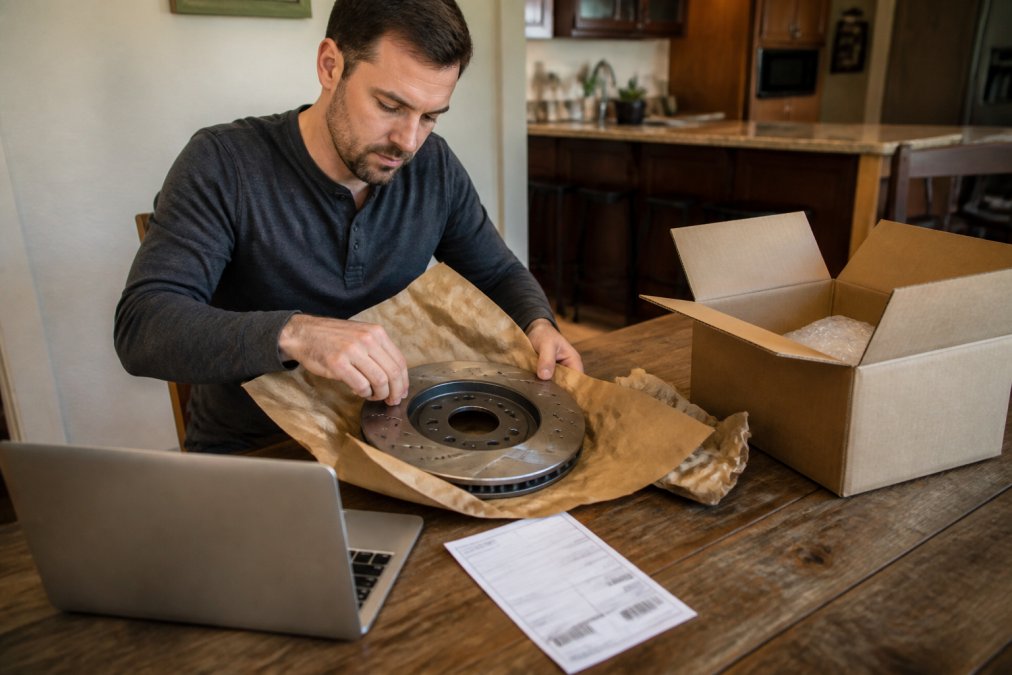
To initiate a return: (1) Locate your order number and invoice. (2) Contact customer support for return authorization. (3) Package the part securely in original box with all hardware. (4) Use the provided shipping label. (5) Keep the tracking number. (6) Monitor for refund after inspection.
Documentation and Shipping Requirements
Documentation requirements differ between standard returns and warranty claims. Understanding this distinction prevents delays and rejection.
Standard Return Documentation
For a standard return, provide: order number, proof of purchase, return authorization number, and original packaging with all hardware. Documentation is minimal since the seller isn't investigating a defect, you must prove the part is resellable.
Warranty Claim Documentation
Warranty claims require: photographs of the defect, your VIN and part number cross-referenced against recommendations, a written description of the issue, and (for installed parts) proof the defect existed before installation. Warranty claims result in full refunds with prepaid shipping; standard returns incur restocking fees and require you to pay shipping. Thorough documentation shifts the burden to the seller.
Packaging Heavy and Hazardous Parts for Return Shipping
Improper packaging is a leading cause of return rejection. Sellers may refuse damaged parts, claiming transit damage resulted from your negligence.
Small Components (Under 2 lbs): Use padded mailers or small boxes with bubble wrap, ensuring no movement.
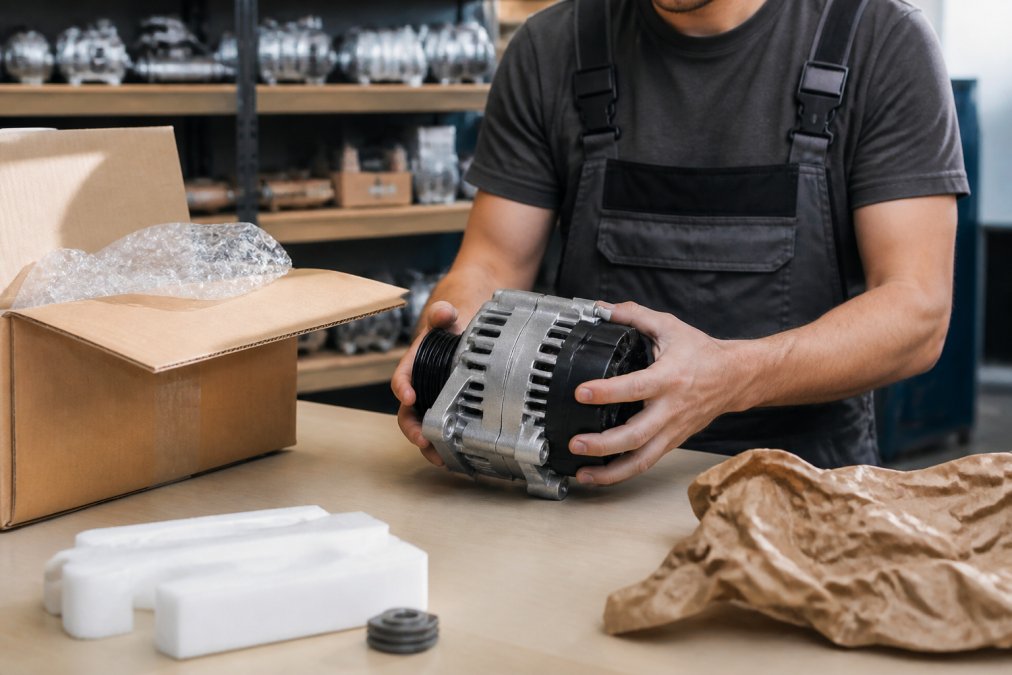
Medium Components (2-10 lbs): Use sturdy cardboard with 2 inches of cushioning (foam, bubble wrap, or kraft paper). Avoid newspaper alone.
Heavy Components (10-50 lbs): Use double-walled boxes with internal bracing. Wrap components individually and use dividers. Fill voids with packing peanuts.
Fluid-Containing Parts: Drain and dry completely. Wrap in plastic and include absorbent material. Do not ship with active fluid, it violates DOT hazmat rules.
Aerosol and Liquid Products: These are hazardous and often non-returnable via standard carriers. Check the seller's policy first.
Tracking and Proof of Delivery
Use tracked shipping with signature confirmation for high-value parts. Keep the tracking number. Refunds typically process within 5-10 business days of inspection, though timelines vary by seller (the FTC).
Non-Returnable Items and Core Charges
Certain parts are non-returnable: electronic components (ECUs, sensors, ignition modules) once installed, fluid-contact items (oil filters, gaskets, seals) once opened, and hazardous materials (brake fluid, coolant, aerosol cleaners) due to shipping restrictions.
A core charge is a deposit on remanufactured parts (alternators, starters, turbochargers). It's refundable when you return your old part within 30-45 days in rebuildable condition. Failure to return forfeits the deposit.
Troubleshooting Fitment Issues Before You Return
Before initiating a return, spend 15-20 minutes diagnosing the fitment issue. This saves return shipping costs and refund wait time.
Step 1: Verify the Part Number Against Your Vehicle
The most common cause is ordering the correct part name but wrong part number. Variants differ in bolt patterns, connectors, bracket orientation, or specs. Locate the part number on the box or original component and cross-reference it against the seller's recommendation using a VIN search tool. If numbers don't match, contact support immediately, this is likely a fulfillment error warranting prepaid return shipping with no restocking fee.
Step 2: Check for Mid-Year Production Changes
European manufacturers frequently change parts mid-year without changing the model year. Check your vehicle's production date (door jamb placard) against the part's production date range. If your vehicle falls outside the range, you have grounds for a full refund with prepaid shipping.
Step 3: Inspect the Mounting Points Before Installation
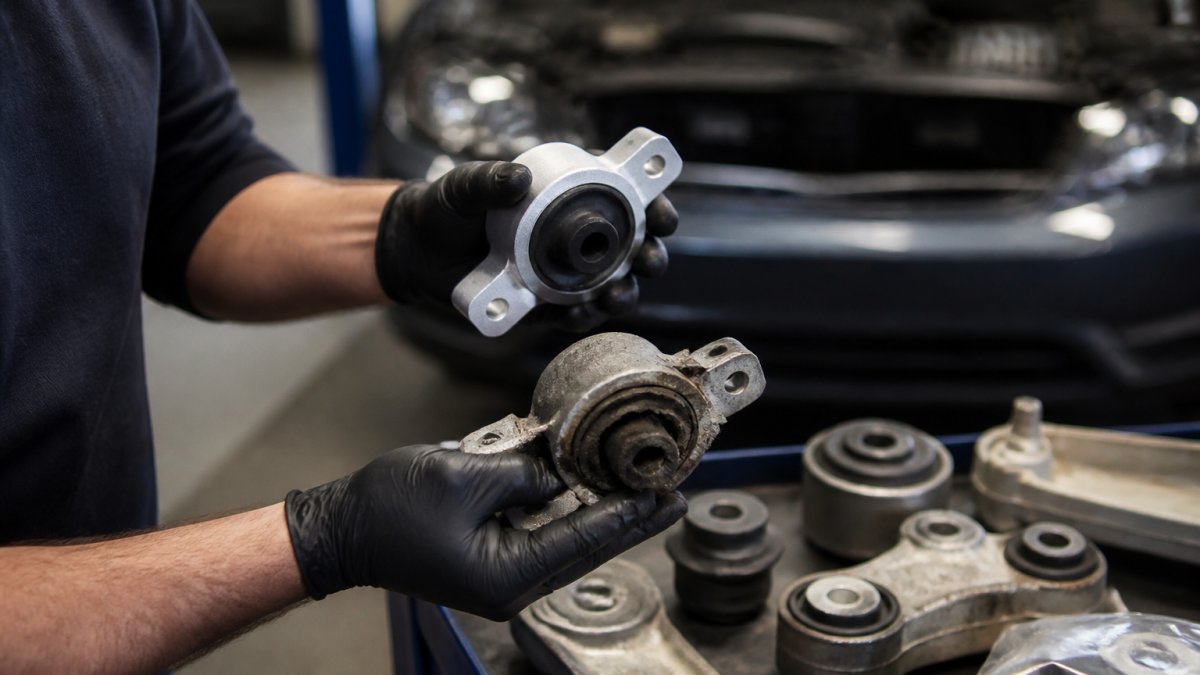
Remove the original component and compare mounting points, bolt patterns, and connectors. Check bolt spacing, connector type, bracket orientation, and seal finish. If they differ, photograph both parts from multiple angles. This evidence is critical for a warranty claim.
Step 4: Test Fitment Without Permanent Installation
Test fitment using temporary fasteners or by holding the part in place, don't torque permanently. For electrical components, verify the connector seats and locks. If the part doesn't fit, stop immediately, photograph the issue, and contact the seller.
Step 5: Cross-Reference Against Known Fitment Issues
Search forums and reviews for known fitment issues with that part number. If the part requires minor modification (drilling, bending), it's a known compatibility issue, not grounds for return. If many users report fitment failure despite correct part numbers, you have a strong case for return.
Frequently Asked Questions
What items cannot be returned to auto parts retailers?
Most retailers do not accept returns on electronic components, hazardous materials (fluids, batteries), or custom-cut parts. Items that have been installed, modified, or show signs of damage in transit are typically non-returnable. Core charge items, such as alternators, starters, and transmissions, can be returned only when accompanied by the original core. Always verify your retailer's specific non-returnable items list before purchasing.
Can you return auto parts after they have been installed?
Most auto parts retailers will not accept returns on installed parts because they cannot verify original condition or fitment after installation. However, if a part is defective or does not fit your vehicle, some retailers offer exchanges or store credit within their return window. The key is to test fitment before installation and contact customer support immediately if there is an issue. Check your retailer's warranty claim process for installed parts that fail prematurely.
What documentation is required to return car parts?
You will typically need proof of purchase (receipt or order confirmation), the original invoice, and your tracking number if the part was shipped. For VIN-verified orders, keep your part number verification documentation. If returning for a warranty claim, include photos of the defect or damage. Pack everything securely and include a return authorization number if your retailer provides one. Documentation helps expedite refund processing and prevents delays.
How does ordering with a VIN affect my return eligibility?
When you use VIN search to order parts, the retailer verifies guaranteed fit for your specific vehicle. This actually strengthens your return case if the part does not fit as promised, most retailers will accept returns or exchanges for guaranteed-fit parts that do not work. Keep your VIN verification confirmation and part number documentation. If fitment issues arise, contact customer support with your VIN and part details to initiate a return or exchange quickly.
This article was written using GrandRanker