 ultimate-guide
Volkswagen Maintenance Schedule for Longevity
Table of Contents
- Understanding Your Volkswagen Maintenance Schedule
- Volkswagen Maintenance Schedule by Mileage
- VW Oil Change Interval and Engine Protection
- Volkswagen 100,000-Mile Maintenance Checklist
- Volkswagen Timing Belt Replacement Interval
- Tire Rotation, Brake Inspection, and Fluid Checks
- Severe Driving Conditions and Climate Adjustments
- Tracking Maintenance and Using Your Owner's Manual
- Frequently Asked Questions
Last Updated: October 10, 2026
Understanding Your Volkswagen Maintenance Schedule
A volkswagen maintenance schedule is your roadmap to keeping your vehicle running reliably for years to come. At European OEM Parts Direct, we understand that following the right maintenance intervals protects your engine, extends your vehicle's lifespan, and helps you avoid costly repairs down the road. The difference between a Volkswagen that lasts 150,000 miles and one that makes it to 250,000 miles often comes down to one thing: consistent, preventive maintenance.
Your owner's manual contains factory-recommended intervals engineered by Volkswagen to balance protection and practicality. Some owners choose more aggressive schedules for maximum longevity.
Factory-Recommended vs. Extended Longevity Intervals
Factory intervals protect your vehicle's performance; extended intervals protect your investment. Owners planning to keep their Volkswagen past 200,000 miles often adopt tighter schedules for oil changes, fluid inspections, and brake service. This costs more upfront but prevents major failures that force expensive repairs.
Volkswagen Maintenance Schedule by Mileage
Your volkswagen maintenance schedule by mileage determines when critical service tasks occur. Most Volkswagens follow a 10,000-mile interval pattern, though some newer models with extended-life oil allow longer spacing. Understanding these milestones helps you plan maintenance costs and avoid overlooking essential services.
First Service: 10,000 Miles or 12 Months
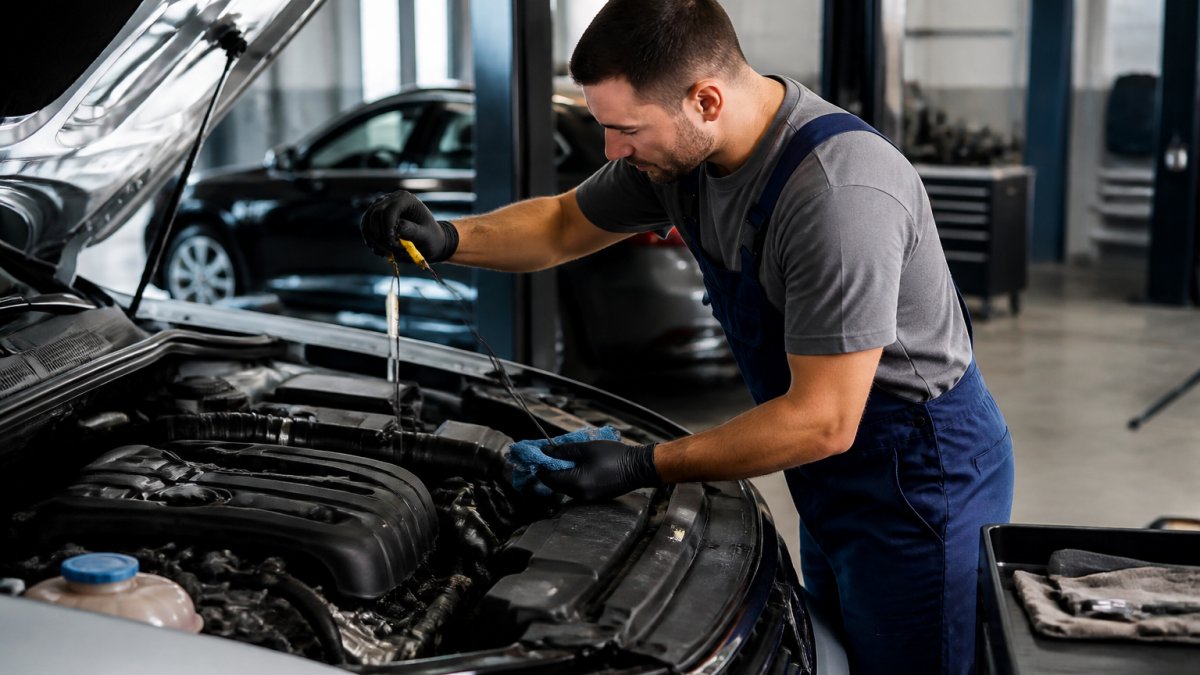
Your first scheduled service at 10,000 miles or 12 months removes break-in debris, includes an oil and filter change, fluid checks, and multi-point inspection. Break-in oil contains metal particles; delaying this service leaves abrasive material circulating through your engine, accelerating bearing and cylinder-wall wear.
Regular Intervals: Every 10,000 Miles
Most Volkswagens require maintenance every 10,000 miles for oil changes, filter replacements, and inspections; some newer models may extend to 15,000 miles. Skipping intervals accelerates engine degradation and voids warranty protections.
VW Oil Change Interval and Engine Protection
The VW oil change interval is the foundation of engine longevity. Oil protects against friction, removes contaminants, and dissipates heat. As oil ages, it loses viscosity and accumulates debris, reducing its protective qualities. Changing oil on schedule is the single most important maintenance task you can perform.
Conventional oil requires changes every 5,000-7,500 miles; synthetic blends extend to 7,500-10,000 miles; full synthetic oils last 10,000-15,000 miles depending on driving conditions.
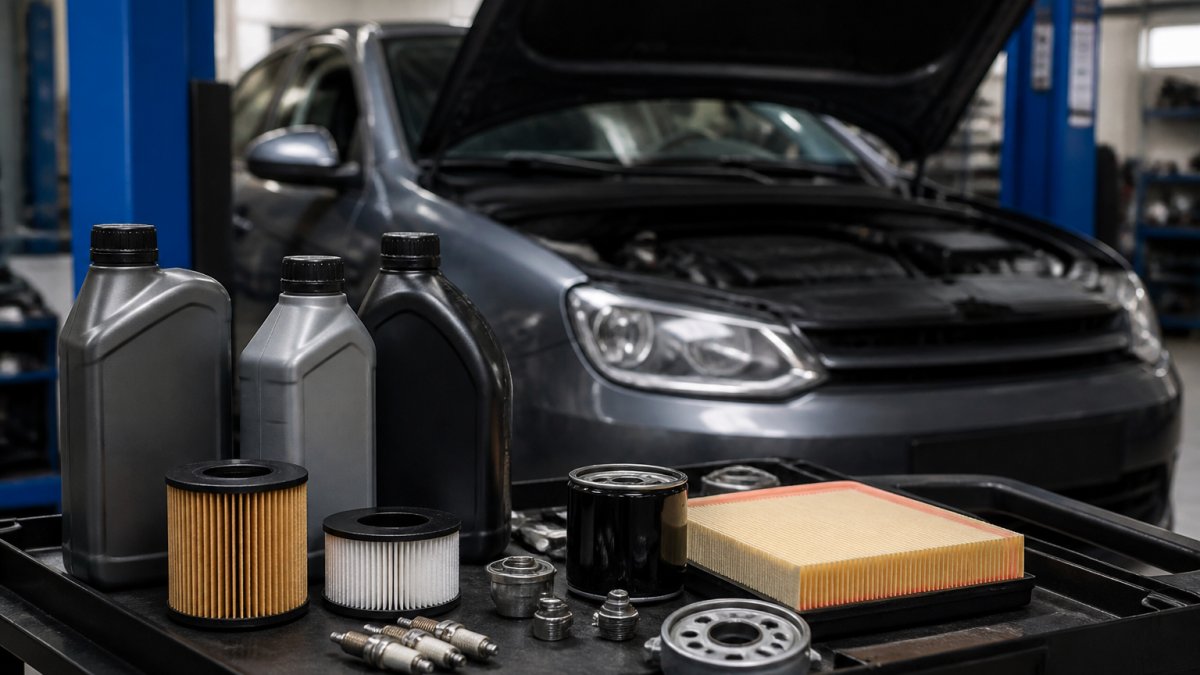
Volkswagen specifies oil viscosity and performance standards in your owner's manual. Using the wrong grade reduces protection and can trigger warning lights. European OEM Parts Direct stocks genuine Volkswagen-approved oils and filters for your exact specification.
Volkswagen 100,000-Mile Maintenance Checklist
The Volkswagen 100,000-mile maintenance milestone marks a critical service point where components have accumulated significant wear. A comprehensive inspection and targeted service prevent costly failures in the next 100,000 miles.
Universal 100,000-Mile Services
These services apply to nearly all Volkswagens and should not be deferred:
Oil and filter change: A fresh oil change at 100,000 miles resets engine protection. Cost: $40-$80. Consequence of skipping: Continued degradation accelerates bearing wear and sludge formation, reducing engine life by 50,000+ miles.
Brake fluid inspection and replacement: Brake fluid absorbs moisture over time, reducing boiling point and braking performance. At 100,000 miles, it should be flushed and replaced. Cost: $100-$200.
Coolant system flush and refill: Coolant degrades over time, accumulating rust particles and sediment. A flush restores cooling efficiency. Cost: $150-$250.
Tire condition and alignment check: A tire inspection identifies remaining tread depth; an alignment check ensures suspension geometry is correct. Cost: $50-$150.
Air filter and cabin air filter replacement: Both filters accumulate dust and debris. A clogged engine air filter reduces airflow and increases fuel consumption. Cost: $30-$80. Consequence of skipping: Reduced efficiency and increased operating costs.
Model-Dependent 100,000-Mile Services
These services depend on your specific model, engine, and transmission.
Spark-plug replacement: Most modern Volkswagens require replacement between 40,000 and 100,000 miles. Cost: $100-$300.
Timing belt or chain inspection: Most gasoline engines require replacement between 60,000 and 105,000 miles. Cost: $400-$800.
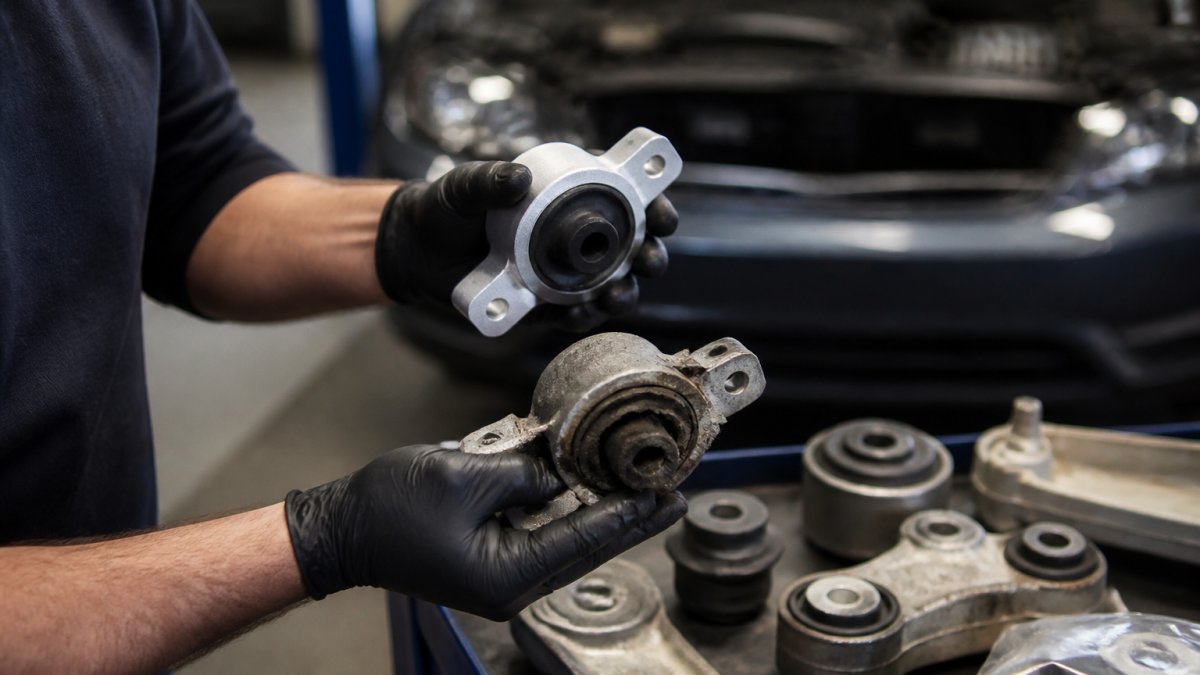
Suspension and steering component inspection: A thorough inspection identifies worn bushings, tie-rod ends, and bearings. Cost: $0-$500 depending on replacements needed.
Battery health assessment: A load test determines whether the battery can hold a charge and deliver adequate cold-cranking amperage.
All-wheel-drive (AWD) coupling and differential service: If your model requires service, 100,000 miles is a good checkpoint. Cost: $150-$250.
The 100,000-Mile Assessment Decision
After completing the 100,000-mile checklist, you'll have a clear picture of your Volkswagen's condition. If major repairs are needed (transmission, engine, or suspension overhaul), you can decide whether to invest in those repairs or consider replacing the vehicle. Many owners find that a thorough 100,000-mile service, combined with the inspection results, either confirms their vehicle is worth keeping for another 100,000 miles or reveals that major repairs make the vehicle uneconomical to maintain.
Volkswagen Timing Belt Replacement Interval
The Volkswagen timing belt replacement interval depends on your engine type. Timing belts synchronize your engine's crankshaft and camshaft, controlling valve timing with precision. If a timing belt breaks, valves collide with pistons, causing catastrophic engine damage.
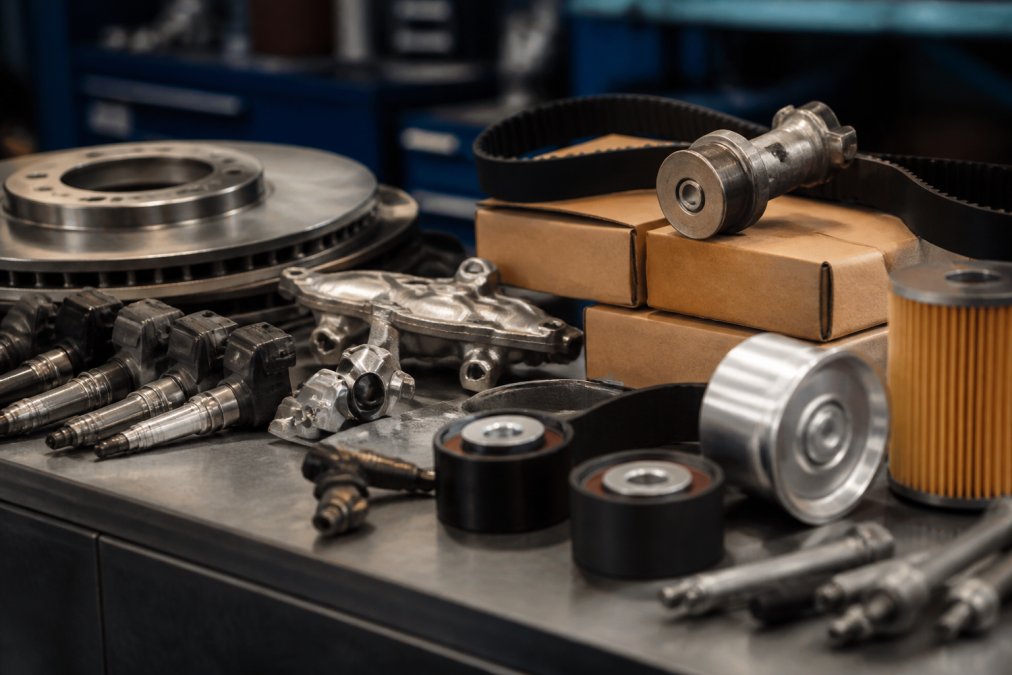
Most Volkswagen gasoline engines require timing belt replacement between 60,000 and 105,000 miles; diesel engines often extend to 120,000 miles. Timing belt replacement is not optional, the belt degrades internally long before showing external wear. Replacing it on schedule prevents a costly engine rebuild.
Tire Rotation, Brake Inspection, and Fluid Checks
Regular tire rotation, brake inspection, and fluid checks form the backbone of preventive maintenance. These services catch wear before it becomes dangerous and extend component life significantly.
Tire Rotation and Pressure Monitoring
Rotate tires every 10,000 miles to extend lifespan by 20-30 percent. Check tire pressure monthly; underinflated tires wear faster and reduce fuel economy, while overinflated tires wear the center prematurely.
Brake-Pad and Brake-System Inspections
Inspect brake pads every 15,000 miles and replace before they wear to the backing plate; worn pads cause expensive rotor damage. Replace brake fluid every two years to prevent corrosion and maintain responsive braking.
Multi-Point Inspections and Fluid Levels
A multi-point inspection catches fraying belts, coolant leaks, and suspension wear before they cause damage. Check fluid levels monthly; identifying leaks early prevents catastrophic failures. A small coolant leak caught early can be addressed; left unaddressed, it can cause engine overheating and warping.
Severe Driving Conditions and Climate Adjustments
Your driving environment affects maintenance intervals significantly. Towing, frequent short trips, extreme temperatures, dusty air, or heavy traffic cause accelerated wear that demands more frequent service.
Identifying Your Driving Profile
Severe driving includes: towing or hauling; frequent short trips (under 10 miles); stop-and-go traffic; dusty or sandy environments; extreme temperatures (above 90°F or below 32°F); and high-altitude operation.
If any of these conditions describe your typical driving, your Volkswagen benefits from the severe-service schedule outlined in your owner's manual.
Severe-Service Interval Adjustments
When severe driving applies, Volkswagen recommends tighter intervals than the standard schedule:
Oil and filter changes: Reduce to every 5,000 miles. Transmission fluid service: Shift to every 30,000-40,000 miles. Brake inspections: Move to every 10,000 miles. Air filter replacement: Change to every 10,000 miles in dusty environments. Coolant system inspection: Check every 5,000 miles in extreme-heat climates.
Climate-Specific Adjustments
Cold climates: Use winter-grade oil, change oil more frequently, check battery CCA rating, and inspect brake fluid annually. Hot climates: Consider coolant replacement every 30,000 miles, check tire pressure frequently, and inspect suspension bushings and seals.
Cost and Longevity Trade-Off
Adopting a severe-service schedule increases annual maintenance costs compared to the factory schedule. However, this investment prevents the major failures that force expensive repairs or vehicle retirement. An owner who tows regularly and skips transmission fluid service may face a transmission rebuild at 100,000 miles; the same owner who services transmission fluid every 30,000 miles typically extends transmission life. Similarly, frequent oil changes in dusty conditions prevent sludge buildup that can require engine replacement.
Tracking Maintenance and Using Your Owner's Manual
Your owner's manual is the authoritative guide for your specific vehicle. Maintenance intervals, fluid specifications, and service procedures vary between model years, engine types, and transmission options. Consulting your manual before service ensures you follow the correct schedule and use the right parts.
Keep detailed records of all maintenance performed. Document the date, mileage, service performed, and parts used. This history proves to future buyers that you've maintained the vehicle properly, supporting resale value.
European OEM Parts Direct's vehicle picker and VIN search make it easy to find the exact parts your specific Volkswagen requires. When you service your vehicle, use genuine OEM parts matched to your model.
Following your volkswagen maintenance schedule is an investment in reliability, safety, and resale value. Get started with Volkswagen's official owner resources to confirm your specific model's schedule, then source the exact parts you need through our platform with accurate VIN matching and competitive pricing on genuine components.
Frequently Asked Questions
How often should you change the oil in a Volkswagen?
Volkswagen's factory maintenance schedule recommends an oil change every 10,000 miles or 12 months, whichever comes first. Newer VW models with longer-life synthetic oil may stretch to 15,000 miles between services. Always consult your owner's manual for your specific model year, as intervals vary by engine type and model generation. Using genuine OEM oil filters and the correct grade of engine oil protects against premature wear and maintains your vehicle's longevity.
What maintenance should be done on a Volkswagen at 100,000 miles?
At 100,000 miles, Volkswagen owners should expect major services including transmission fluid inspection or replacement, spark plug replacement (if original), coolant flush, brake fluid replacement, and a comprehensive multi-point inspection. The timing belt may also require replacement depending on your model year and engine type, check your owner's manual for exact recommendations. This milestone service is critical to prevent costly repairs and extend your vehicle's lifespan significantly.
Does following the Volkswagen maintenance schedule help prevent costly repairs?
Yes, adhering to the factory-recommended Volkswagen maintenance schedule prevents the majority of unexpected breakdowns and expensive repairs. Regular oil changes protect your engine, scheduled fluid replacements prevent transmission and cooling system failures, and timely brake inspections avoid safety issues. Owners who follow the complete service schedule report better reliability, higher resale value, and fewer emergency repairs. Skipping services or delaying intervals dramatically increases the risk of component failure and repair costs.
What is the Volkswagen timing belt replacement interval?
Timing belt replacement intervals vary significantly by Volkswagen model and engine type. Most models require replacement between 80,000 and 120,000 miles, though some newer engines use timing chains instead of belts. Consult your owner's manual or VIN-specific documentation to determine your vehicle's exact interval. Timing belt failure can cause catastrophic engine damage, so replacement on schedule is non-negotiable for longevity and preventing thousands of dollars in repairs.
How do I know if I'm following the correct maintenance schedule for my specific Volkswagen model?
Your owner's manual contains the factory-recommended maintenance schedule specific to your model year and engine type. You can also find schedules on Volkswagen's official website or use your VIN to verify the correct intervals. European OEM Parts Direct's VIN search tool can help identify the exact parts and service intervals for your vehicle, ensuring you perform the right maintenance at the right time without guesswork.
Should I follow more frequent maintenance intervals than Volkswagen recommends for longer vehicle life?
Factory intervals are engineered to balance longevity with practicality. However, if you drive in severe conditions, frequent short trips, extreme heat or cold, towing, or dusty environments, more frequent oil changes and filter replacements can extend engine life. Changing oil every 5,000 miles instead of 10,000 provides extra protection but isn't required by Volkswagen. Review your driving habits against the severe-service guidelines in your owner's manual to decide if shorter intervals make sense for your situation.