 blog
Volkswagen Golf R Mk7 OEM Brake Kit Review
Table of Contents
- What's Included in the Volkswagen Golf R Mk7 OEM Performance Brake Kit
- OEM vs. Aftermarket: How the Golf R Brake Kit Performs
- Genuine Volkswagen Parts for Sale: Sourcing the Right Components
- Mk7 Golf R Brake Pad Replacement Guide and Installation Basics
- Volkswagen Performance Brake Upgrade Compatibility and Wheel Clearance
- Thermal Management and Long-Term Reliability of OEM Seals
- Electronic Brake System Integration and ABS Calibration
- Conclusion
- Frequently Asked Questions
Last Updated: September 20, 2026
What's Included in the Volkswagen Golf R Mk7 OEM Performance Brake Kit
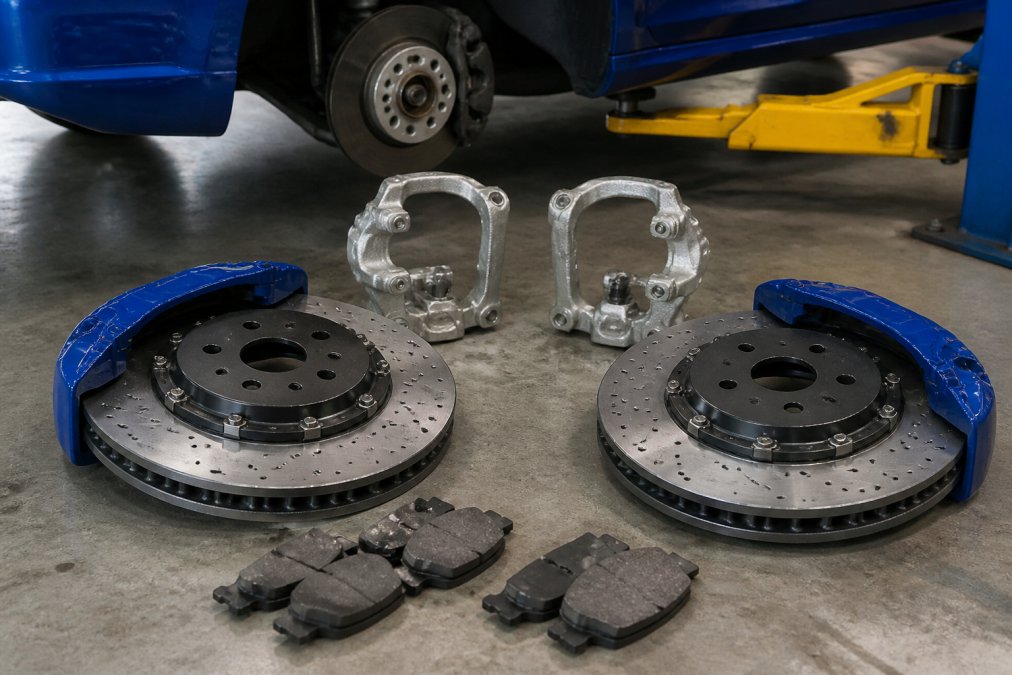
The Volkswagen Golf R Mk7 OEM performance brake kit includes larger-diameter rotors, multi-piston calipers, high-friction pad compounds, stainless steel brake lines, and performance-grade brake fluid engineered to integrate seamlessly with your vehicle's ABS and electronic stability control systems.
A typical OEM Volkswagen Golf R brake kit includes:
- Front and rear rotors (floating design for thermal management)
- Multi-piston calipers with dust seals for long-term reliability
- Brake pad sets with optimized friction coefficients
- Stainless steel braided brake lines
- Performance brake fluid (DOT 4 or higher)
- Hardware and anti-rattle clips
- Installation documentation specific to your model year
The floating rotor design allows the friction surface to move independently of the hub, reducing thermal warp and extending rotor life during street and track driving.
OEM vs. Aftermarket: How the Golf R Brake Kit Performs
OEM Volkswagen Golf R brake kits prioritize system integration and long-term reliability, while aftermarket alternatives focus on maximum stopping power and track performance.
OEM kits integrate seamlessly with your Golf R's ABS, electronic parking brake, and brake bias distribution. Aftermarket big brake kits may not communicate properly with these systems, potentially triggering warning lights or reducing stability control effectiveness.
Aftermarket big brake kits offer larger rotors and aggressive pad compounds that reduce fade during sustained track use, but introduce increased unsprung weight, potential wheel clearance issues, and require ABS recalibration.
OEM systems prioritize:
- Seamless electronic system integration
- Proven thermal management under normal driving conditions
- Long-term seal reliability without premature wear
- Consistent pedal feel across temperature ranges
- Compatibility with existing wheel and suspension geometry
Aftermarket systems prioritize:
- Maximum stopping power reduction per stop
- Lower temperatures during extreme track use
- Customizable pad compounds for specific driving styles
- Larger rotor diameters for visual impact
Choose based on your driving pattern: regular track use justifies an aftermarket BBK, while spirited street driving and occasional track days are well-served by the OEM Volkswagen Golf R brake kit.
Genuine Volkswagen Parts for Sale: Sourcing the Right Components
Counterfeit brake components are common in the used parts market and can fail catastrophically during braking. Purchase from authorized dealers or verified OEM retailers to ensure authenticity.
Genuine parts have part numbers matching Volkswagen's catalog, rotors show manufacturing date and friction coefficient markings, and pads carry compound ratings matching your vehicle's specifications.
Purchase from authorized dealers or verified OEM retailers. European OEM Parts Direct uses a VIN search tool to ensure you get the exact parts specified for your Golf R's model year and configuration.
When buying online, verify the seller's return policy, original packaging, inventory status, and shipping protection for fragile components.
Used components are cheaper but risk hidden thermal warp and uneven wear. New OEM components are worth the investment for safety-critical brake systems.
Mk7 Golf R Brake Pad Replacement Guide and Installation Basics
Replacing brake pads on your Mk7 Golf R is a straightforward DIY task taking under an hour per axle, though attention to detail is critical for proper pedal feel and stopping power.
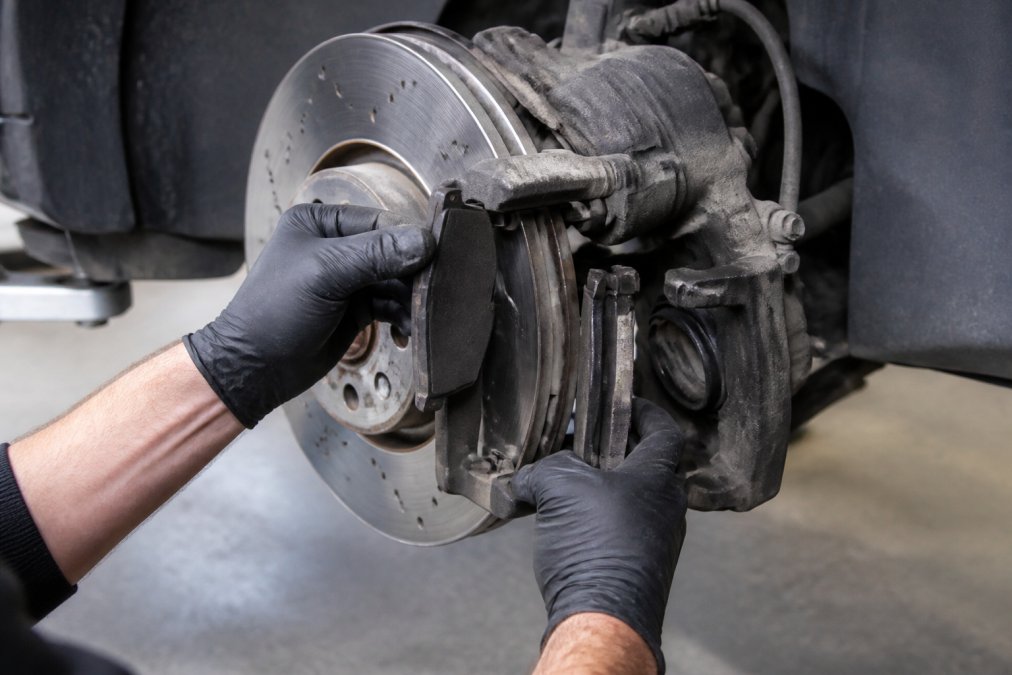
What You'll Need:
- Jack and jack stands (critical for safety)
- Lug wrench or impact wrench
- Caliper piston retraction tool or C-clamp
- New OEM brake pads and anti-rattle hardware
- Brake cleaner and wire brush
- Torque wrench (for lug nuts and caliper bolts)
Step-by-Step Installation:
-
Lift the vehicle safely. Use a hydraulic jack and secure with jack stands. Never rely on a jack alone.
-
Remove the wheel. Loosen lug nuts before lifting, then fully remove them once the vehicle is elevated.
-
Inspect the rotor. Check for scoring, cracking, or thermal warp. If the rotor is damaged, replacement is necessary for proper bedding-in of new pads.
-
Retract the caliper piston. Use a C-clamp or piston retraction tool to push the piston back into the caliper. This creates space for the thicker new pads.
-
Remove the caliper bolts. Unbolt the caliper from the mounting bracket. Support it with a wire or rope, do not let it hang by the brake line.
-
Remove old pads and hardware. Take out the worn pads and anti-rattle clips. Inspect the dust seals around the piston for damage.
-
Install new anti-rattle hardware. Position the new clips on the mounting bracket before installing pads.
-
Install new pads. Slide the new pads into the caliper and bracket. Ensure they sit flush against the rotor.
-
Reinstall the caliper. Bolt the caliper back to the bracket. Torque bolts to specification (typically 26 ft-lbs for Golf R front calipers).
-
Reinstall the wheel. Mount the wheel and hand-tighten lug nuts, then torque to specification (89 ft-lbs) once the vehicle is on the ground.
-
Bedding-in the pads. Perform gentle braking from low speed to allow the new pad compound to transfer a thin layer of material to the rotor. Avoid hard braking for the first 100 miles.
The process takes 45-60 minutes per axle. The most common mistake is forgetting to retract the caliper piston, preventing the caliper from fitting over thicker new pads.
Volkswagen Performance Brake Upgrade Compatibility and Wheel Clearance
Upgrading your Volkswagen Golf R brake system requires verifying compatibility with your wheels and suspension, many upgrades fail because components don't physically fit.
Larger rotors and calipers increase radial distance from the hub. Insufficient wheel clearance causes caliper or rotor contact during compression or full lock steering, resulting in expensive damage.
Measure your wheel's inner diameter and compare to the brake assembly's maximum diameter. Most Mk7 Golf R owners run 18-inch or 19-inch wheels with adequate OEM clearance, but lowered vehicles with aggressive offset wheels may have issues.
Use hub-centric wheels (centered by hub bore) rather than lug-centric to prevent vibration, ensure even brake force distribution, and avoid uneven pad wear.
Electronic Parking Brake (EPB) Compatibility:
The Mk7 Golf R uses an electronic parking brake integrated with the rear brake caliper. If you upgrade the rear brakes, verify that the new caliper is compatible with the EPB actuator. Incompatible components may prevent the parking brake from engaging or trigger warning lights.
According to Volkswagen technical service bulletins, the EPB system must be recalibrated after any rear brake caliper replacement to ensure proper engagement force and prevent nuisance warning lights.
Thermal Management and Long-Term Reliability of OEM Seals
Brake system thermal management determines how long your components last and how consistently they perform under load. The Volkswagen Golf R OEM brake kit uses floating rotor designs and specific dust seal materials engineered for sustained heat exposure.
Floating rotors reduce thermal warp by allowing the friction surface to move independently of the hub. When brakes generate heat, the rotor expands, and a floating design accommodates this expansion without warping. Solid rotors, by contrast, are rigidly attached to the hub and experience stress as they expand unevenly.
Heat dissipation happens through the rotor's cooling fins and the pad compound's thermal properties.
Long-Term Seal Reliability:
Electronic Brake System Integration and ABS Calibration
Your Volkswagen Golf R's ABS system is calibrated specifically for the OEM brake kit's rotor diameter, pad friction coefficient, and clamping force. When you change brake components, you're potentially affecting how ABS interprets wheel slip and applies braking force.
Conclusion
The Volkswagen Golf R Mk7 OEM brake kit delivers the performance and reliability you need for both street driving and occasional track use. It integrates seamlessly with your vehicle's ABS and electronic parking brake systems, maintains consistent pedal feel across temperature ranges, and uses proven components engineered for long-term durability.
Frequently Asked Questions
What components are included in the genuine Volkswagen Golf R Mk7 OEM performance brake kit?
The OEM kit includes larger-diameter rotors, multi-piston calipers, performance brake pads with higher friction coefficients, stainless steel brake lines, and upgraded brake fluid specifications. The exact rotor diameter and piston count depend on your specific model year. Genuine Volkswagen parts for sale through authorized retailers ensure all components are engineered to work together without requiring ABS or ESC recalibration, unlike many aftermarket big brake kits.
How does the OEM performance brake kit compare to aftermarket big brake kits?
The OEM kit prioritizes stopping power and thermal management without adding unsprung weight that affects handling. Aftermarket kits often feature larger rotors and more pistons but may require wheel offset adjustments and can interfere with electronic parking brake systems. OEM components maintain factory brake bias and modulation characteristics, making them ideal for street driving and spirited driving rather than dedicated track days.
Will the Volkswagen performance brake upgrade fit my Golf R without wheel clearance issues?
The OEM upgrade is designed as a direct fit, but wheel clearance depends on your specific wheel size and offset. Larger rotors increase unsprung weight slightly and may require hub-centric spacers or offset adjustments on some aftermarket wheels. Before purchasing, verify your wheel specifications against the brake kit's rotor diameter to avoid fitment problems. Volkswagen performance brake upgrade compatibility is best confirmed through your vehicle's VIN or by consulting detailed fitment charts.
Is the Mk7 Golf R OEM performance brake kit worth the investment for daily driving?
Yes, for daily drivers who want improved stopping power and heat dissipation without the long-term reliability concerns of aftermarket seals. The OEM kit provides better brake fade resistance during spirited driving and maintains pedal feel consistency.