 ultimate-guide
Audi Maintenance Tips for Beginners: A Complete Guide
Table of Contents
- Why Audi Maintenance Matters for Long-Term Performance
- Understanding Your Audi Maintenance Schedule Intervals
- DIY Audi Oil Change Tips and Step-by-Step Instructions
- Essential Fluid Checks: Coolant, Brake, and Transmission
- Tire Rotation, Battery Health, and Brake Inspection Basics
- How to Buy Audi OEM Parts Online and Avoid Counterfeits
- Common Audi-Specific Issues and When to Seek Professional Help
- Conclusion
Your Audi is engineered with precision, but that engineering only performs as promised when maintenance happens on schedule. A single missed oil change can compromise turbocharger longevity. A skipped coolant flush allows corrosion to build inside cooling passages. Deferred brake fluid service introduces moisture that weakens hydraulic response.
Preventative maintenance protects three critical areas: engine longevity and performance, safety systems that depend on fluid integrity, and resale value. Owners who follow a structured maintenance schedule avoid catastrophic failures. The good news is that audi maintenance tips for beginners are straightforward once you understand the intervals and what each service accomplishes.
Understanding Your Audi Maintenance Schedule Intervals
Your maintenance schedule is not a suggestion. Audi engineers have tested their vehicles across millions of miles, and the intervals they specify are the minimum required to maintain optimal performance and reliability.
Most Audi models follow a service interval of 10,000 miles or 12 months, whichever comes first (audi.com). Some newer models extend this to 15,000 miles under certain conditions. Your owner's manual contains the authoritative schedule. Digital service records are accessible through the Audi MMI infotainment system or the MyAudi mobile app.
Oil Change Intervals and Synthetic Oil Benefits
Oil changes are the foundation of engine maintenance. Modern Audi engines run on synthetic oil, specifically Audi Genuine Oil or equivalent synthetic formulations. Synthetic oil maintains viscosity across a wider temperature range and resists oxidation far longer than conventional oil (peer-reviewed research). Most Audi models specify 10,000-mile intervals with synthetic oil.
Most Audi engines require 5W-30 or 5W-40 synthetic oil. Using the wrong grade compromises engine protection and can trigger warning lights. Source genuine Audi oil or a synthetic equivalent that meets Audi's specifications. Check the bottle for "Audi Approved" certification.
Filter Replacements and Fluid Checks
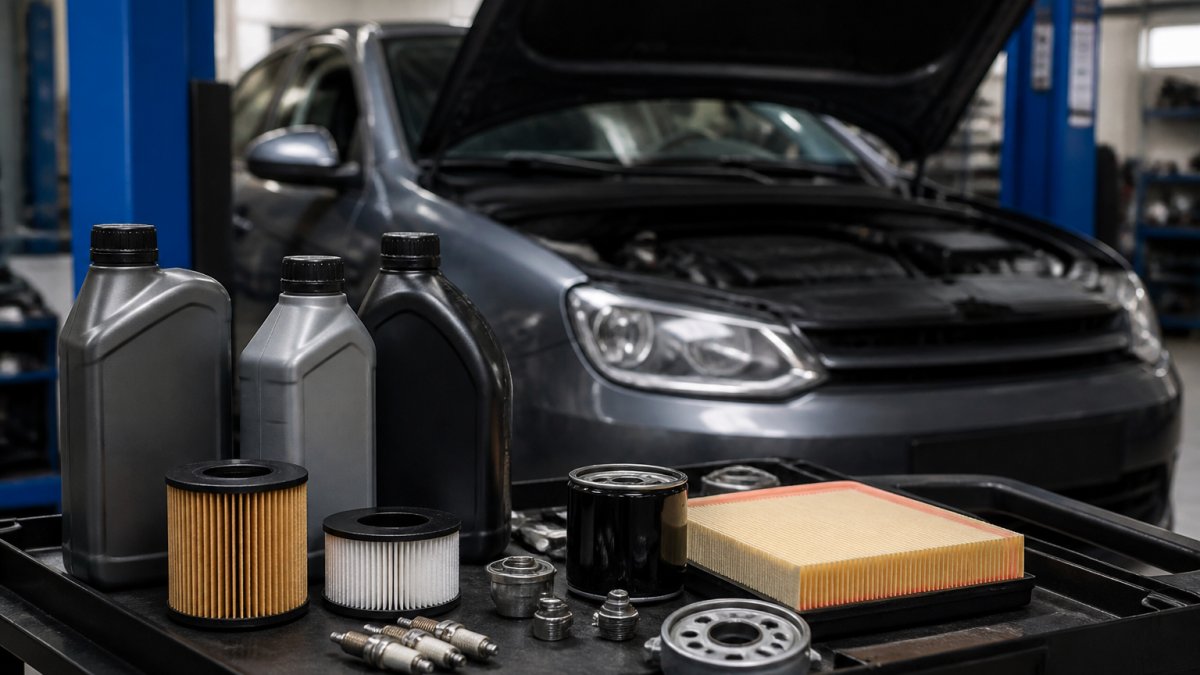
Every oil change includes an oil filter replacement. The engine air filter prevents dust and debris from entering the combustion chamber and typically requires replacement every 20,000-40,000 miles. The cabin air filter cleans air entering the climate control system and usually needs replacement every 15,000-30,000 miles.
Fluid checks happen at every service interval. Brake fluid, coolant, transmission fluid, and power steering fluid should be inspected for level, color, and clarity. Brake fluid darkens over time as it absorbs moisture; if it appears black or smells burnt, a flush is overdue. Coolant should be bright green or pink. Brown or cloudy coolant indicates contamination and requires a flush.
DIY Audi Oil Change Tips and Step-by-Step Instructions
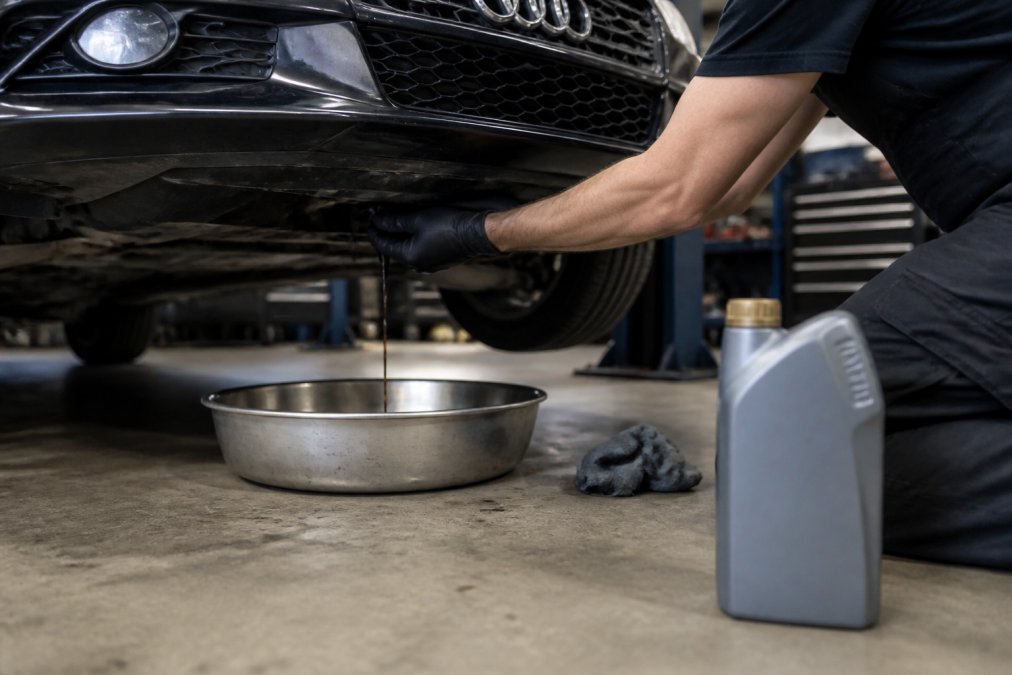
An oil change is the most accessible maintenance task for beginners. It requires minimal tools, takes 30-45 minutes, and delivers immediate satisfaction.
What You'll Need Before Starting
Gather these items before you begin:
- Genuine Audi oil filter (correct part number for your model)
- Synthetic oil (5W-30 or 5W-40, per your owner's manual) in the correct quantity
- Oil drain pan (at least 5-quart capacity)
- Socket set with ratchet (typically 17mm or 19mm socket for drain plug)
- Oil filter wrench
- Jack and jack stands (if you need clearance)
- Shop towels or rags
- Torque wrench (optional but recommended)
Check your owner's manual for the exact oil grade and capacity. Most Audi models require 5-6 quarts.
Common Mistakes to Avoid During Oil Changes
The most frequent mistake is over-tightening the drain plug. Hand-tighten it, then use your wrench to snug it another quarter turn. Always replace the crush washer on the drain plug, this small rubber or copper ring seals the plug, and reusing an old washer causes leaks.
Install the new filter by hand until the gasket contacts the mounting surface, then turn it an additional three-quarter turn. Check the oil level after adding new oil by starting the engine, letting it run for 30 seconds, then shutting it off. Wait two minutes, then check the level, it should be at the maximum mark.
Essential Fluid Checks: Coolant, Brake, and Transmission
Coolant prevents engine overheating and protects against corrosion. Check coolant level when the engine is cold. The expansion tank has minimum and maximum marks. Coolant flush intervals vary by model year; older Audi models typically require a flush every 30,000 miles or 2 years, while newer models with extended-life coolant may go 40,000 miles or longer.
Brake fluid is hygroscopic, it absorbs moisture from the air (sae.org). Over time, this moisture reduces boiling point and compromises braking performance. Brake fluid should be flushed every 2 years or 20,000 miles. Dark or discolored fluid indicates moisture absorption and requires immediate flushing.
Transmission fluid in automatic transmissions breaks down over time and accumulates wear particles. Most Audi automatic transmissions require a fluid change every 40,000-60,000 miles. Check the level when the engine is warm and the transmission is in neutral on level ground.
Tire Rotation, Battery Health, and Brake Inspection Basics
Tires wear unevenly due to steering geometry, suspension alignment, and weight distribution. Rotating tires every 7,500-10,000 miles promotes even wear and extends tire life. Tire pressure affects handling, fuel efficiency, and safety. Check pressure when tires are cold; most Audi models specify 32-35 psi depending on load.
Battery voltage should remain stable across a wide temperature range. A typical battery lasts 3-5 years. If your battery is more than three years old and you live in a cold climate, have it tested annually.
Brake inspection involves checking pad thickness, rotor condition, and brake fluid. Brake pads typically last 25,000-70,000 miles depending on driving style. When pads reach 2-3mm thickness, replacement is due. Rotors should be smooth and flat; scoring, warping, or glazing indicates replacement is needed.
How to Buy Audi OEM Parts Online and Avoid Counterfeits
Counterfeit parts are a genuine problem in the online automotive market. Fake filters, oils, and gaskets circulate through various channels and can cause engine damage, leaks, or system failures.

Verifying Genuine Parts and Using VIN Search
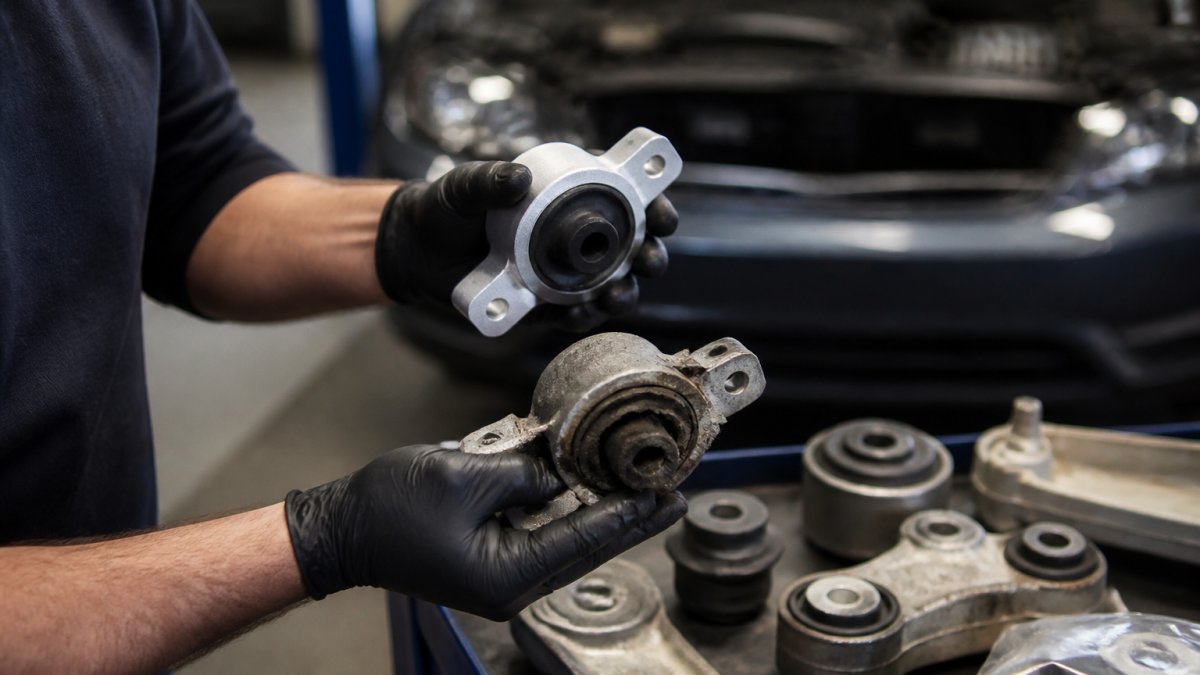
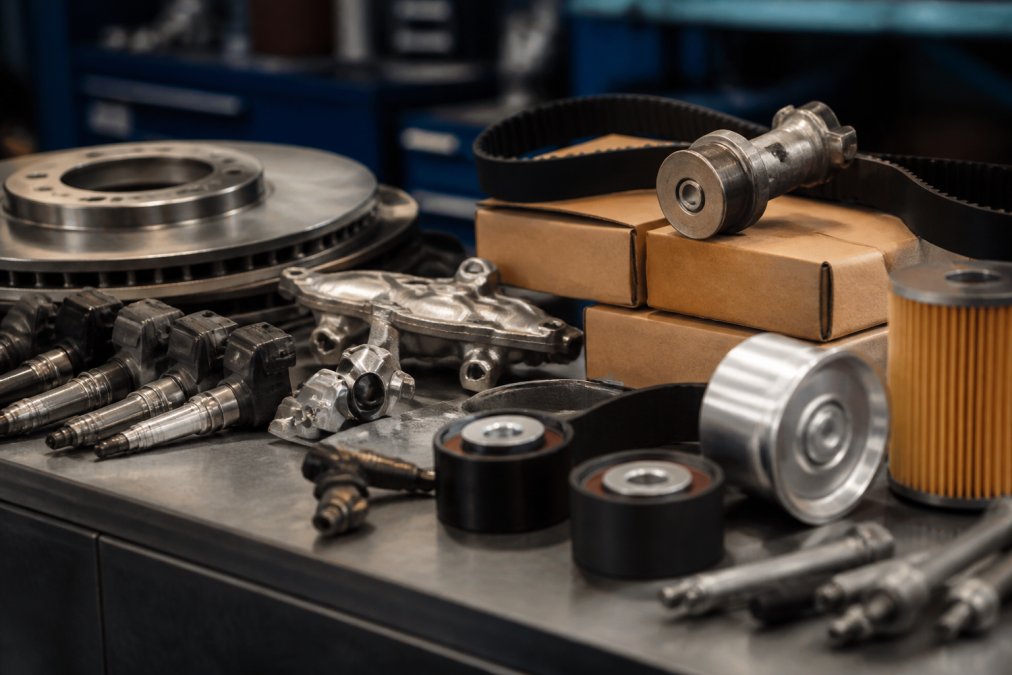
The safest approach is to purchase from reputable retailers that source directly from Audi or authorized distributors. European OEM Parts Direct offers a comprehensive inventory of genuine parts and accessories specifically for Audi, Porsche, and Volkswagen vehicles. Our user-friendly platform allows customers to easily find the exact components they need using our vehicle picker or VIN search. Genuine Audi parts carry specific markings. The part number should match the specification in your owner's manual. Check the seller's credentials, authorized Audi retailers display certification prominently. Read customer reviews, particularly from verified purchases.
Cost Savings: DIY Service vs. Dealership Labor
Dealership labor rates typically run $150-250 per hour. An oil change at a dealership costs $150-300 including parts and labor. When you perform these services yourself, you pay only for parts. An oil change with genuine Audi oil and filter costs $50-80. Over a vehicle's lifetime, this adds up to significant savings.
More complex services like transmission fluid changes, coolant flushes, and brake work require specialized tools or knowledge and are worth leaving to professionals. European OEM Parts Direct helps by offering genuine parts at competitive prices, eliminating the dealership markup while maintaining your vehicle with authentic components.
Common Audi-Specific Issues and When to Seek Professional Help
Direct injection engines accumulate carbon on intake valves over time, reducing airflow and causing rough idle or hesitation. Carbon cleaning typically costs $300-600 and usually becomes necessary around 60,000-80,000 miles.
Turbocharged engines are reliable but demand proper maintenance. Low oil pressure, dirty oil, or oil starvation causes turbo failure. Turbo replacement costs $2,000-4,000. Prevention is simple: change oil on schedule and use genuine synthetic oil.
Water pumps on some model years fail prematurely, causing coolant leaks and overheating. If you notice coolant puddles or rising temperature gauge readings, have it inspected immediately. Water pump replacement costs $400-800.
Timing chain tensioners on certain engines can rattle on cold starts, suggesting the timing chain system should be inspected. DSG transmission issues appear on some model years with hesitation, jerking, or failure to engage. If you experience any transmission symptoms, have the transmission scanned for fault codes.
When in doubt, consult a professional. Dealership technicians have factory training and access to official service bulletins. Independent shops familiar with Audi vehicles often provide the same expertise at lower cost.
Maintaining your Audi properly doesn't require dealership prices or complex procedures. By following a structured maintenance schedule, using genuine parts, and tackling routine services yourself, you preserve performance and resale value while saving thousands over the vehicle's lifetime. European OEM Parts Direct makes this accessible by offering a comprehensive inventory of genuine Audi components, user-friendly VIN search to ensure accurate part matching, and competitive pricing that eliminates dealership markups. Get started with European OEM Parts Direct and keep your Audi running strong for years to come.
| Service Task | Interval | Difficulty | Typical Cost (DIY) |
|---|---|---|---|
| Oil and filter change | 10,000 miles | Beginner | $50-80 |
| Tire rotation | 7,500-10,000 miles | Beginner | Free |
| Cabin air filter replacement | 15,000-30,000 miles | Beginner | $40-60 |
| Engine air filter replacement | 20,000-40,000 miles | Beginner | $30-50 |
| Brake fluid flush | 24 months | Intermediate | $100-150 |
| Coolant flush | 30,000-40,000 miles | Intermediate | $100-150 |
| Transmission fluid change | 40,000-60,000 miles | Advanced | $150-250 |
| Spark plug replacement | 30,000-40,000 miles | Intermediate | $80-120 |
Frequently Asked Questions
Is Audi easy to maintain for a beginner?
Audi maintenance is manageable for beginners who follow the service schedule and use genuine OEM parts. Basic tasks like oil changes, filter replacements, and fluid checks are straightforward with the right tools. However, more complex issues like turbocharger maintenance or timing belt replacement require professional expertise. Starting with simple maintenance builds confidence, and using resources like your owner's manual helps you understand what your specific model needs.
What are the most important audi maintenance schedule intervals to follow?
Most Audis require oil changes every 10,000 miles with synthetic oil, cabin air filter replacement every 15,000 miles, and engine air filter replacement every 20,000 miles. Brake fluid flush is recommended every 24 months regardless of mileage, and transmission fluid checks should occur annually. Tire rotation every 5,000-7,000 miles extends tire life. Always consult your specific model's owner's manual, as intervals vary by year and engine type. Following these intervals maintains optimal performance and resale value.
Can I perform basic Audi maintenance myself, and what's the real cost savings?
Yes, beginners can handle oil changes, filter replacements, fluid top-ups, and tire rotations. Dealership labor costs typically range from $150-300 per hour, making a simple oil change service $200-400 total. Buying genuine OEM parts online and doing it yourself costs roughly $80-150 in parts and supplies. Over a year, DIY maintenance saves $500-1,000 compared to dealership service. However, complex tasks like spark plug replacement, brake work, or electrical diagnostics are best left to professionals to avoid costly mistakes.
How do I know if parts I buy online are actually genuine OEM and not counterfeit?
Genuine OEM parts come with proper packaging, clear part numbers, and authentic manufacturer markings. When buying from reputable retailers like European OEM Parts Direct, you receive verified genuine components. Always verify the part number matches your vehicle's VIN using their VIN search tool, this ensures accuracy and authenticity. Avoid suspiciously low prices, poor packaging, or sellers without clear return policies. Genuine parts cost more upfront but prevent costly failures and maintain your Audi's reliability and resale value.
What mileage do Audis typically start requiring major service?
Most Audis begin requiring more intensive maintenance around 60,000-80,000 miles, when spark plugs, cabin air filters, and brake fluid flushes become due. At 100,000+ miles, timing belt inspection or replacement (depending on model), transmission fluid service, and coolant flush may be necessary. Turbocharger models need more frequent oil changes due to higher stress. Regular preventative maintenance from the start significantly reduces major issues at these milestones. Staying on top of scheduled intervals prevents expensive repairs and keeps your drivetrain functioning optimally.
Why is using OEM parts critical for Audi longevity and performance?
OEM parts are engineered specifically for your Audi's quattro system, turbocharger, direct injection engine, and electronics. Aftermarket alternatives may not fit precisely or withstand the performance demands of your vehicle, leading to premature failure or damage. OEM parts maintain your Audi's warranty coverage and resale value. Using genuine components ensures optimal performance, fuel efficiency, and reliability. For luxury European vehicles like Audi, OEM parts are the only way to guarantee long-term durability and avoid costly repairs from incompatible components.
How do I check my Audi maintenance schedule online or in my vehicle?
Your Audi's onboard computer displays service reminders on the dashboard when maintenance is due. Check your owner's manual for the complete maintenance schedule specific to your model year and engine type. Many Audi owners can access service history and schedules through the Audi Connect app or your vehicle's infotainment system. For detailed guidance, visit your local dealership's website or consult your vehicle's documentation. Keeping digital records of completed maintenance helps track what's been done and plan future service needs.
What happens if I order a part online and it doesn't fit my specific Audi model?
Reputable online retailers like European OEM Parts Direct offer return policies for parts that don't fit or function as expected. Before ordering, use the VIN search tool to confirm the exact part number for your specific year, model, and engine configuration. If you're unsure, contact customer support, they can verify compatibility before you purchase. Always keep packaging and documentation for returns. Having a clear return policy protects your investment and gives you confidence ordering online instead of risking a dealership visit with the wrong component.
This article was written using GrandRanker