 Ultimate guide
7 Reasons to Choose Genuine Alloy Wheels for Your Luxury Car
Last Updated: November 22, 2026
Quick Summary
Genuine alloy wheels are factory-engineered wheels designed and validated for your specific luxury model, so the suspension, brakes and stability software all work as intended. They deliver exact fitment, a validated load rating and a factory corrosion-resistant finish, while aftermarket wheels vary in quality and can put warranty claims at risk.
- Fitment comes down to six numbers, including offset, bolt pattern, center bore and load rating.
- Check the back of the spokes for tooling marks, part number and load stamp.
- A reputable seller should match a part number to your VIN and put it on the invoice.
- Inspect each wheel at every tire rotation and every seasonal changeover.
- Cracked wheels or those with significant corrosion generally need replacement rather than repair.
Table of Contents
- Why Genuine Alloy Wheels Matter More on a Luxury Car
- OEM vs. Aftermarket Wheels: What the Difference Actually Costs You
- Alloy Wheel Fitment: The Specs That Decide Whether a Wheel Fits
- Handling, Unsprung Weight and Brake Cooling: What Forged Alloy Wheels Change
- Genuine Replacement Wheels: How to Spot a Real One
- Audi OEM Wheels and Porsche Forged Wheels: What to Order for Your Model
- Long-Term Value: Resale, Ride Comfort and Wheel Repair
- Find the Correct Wheels for Your Audi, Porsche or Volkswagen
- Frequently Asked Questions
Why Genuine Alloy Wheels Matter More on a Luxury Car
Genuine alloy wheels are the factory-engineered wheels designed and validated for a specific luxury model, and they matter more on an Audi, Porsche or Volkswagen because every other chassis system was tuned around them. This guide from European OEM Parts Direct covers what separates real wheels from replicas, how fitment actually works, and where the money goes over the life of the car.
Here is the part most buyers get wrong: a wheel is not a styling accessory bolted to the corners. It is a load-bearing, heat-managing, unsprung component that the suspension, brakes and stability software all reference. Change it carelessly and you change how the car behaves at the limit.
A replica wheel can look identical in a photograph and behave nothing like the original on a highway ramp. Below, we break down the seven reasons that gap matters on a luxury car, starting with the one nobody advertises: fitment.
OEM vs. Aftermarket Wheels: What the Difference Actually Costs You
Aftermarket wheels are cheaper up front and often cost more later. That is the honest summary. The savings show up at checkout; the consequences show up in warranty conversations, insurance claims and resale.
Genuine wheels are built to the manufacturer's specifications for your exact model. Aftermarket wheels vary in quality, and buyers can find it difficult to tell which is which.
Watch out: a wheel that fails a load or impact test does not usually fail dramatically. It cracks, corrodes at the bead seat, or slowly loses round, and you feel it as a vibration you blame on tires.
Genuine vs. Aftermarket Wheels Compared
| Factor | Genuine OEM Wheels | Aftermarket Wheels |
|---|---|---|
| Fitment | Built to your model's exact specs | Depends on seller's data accuracy |
| Load rating | Manufacturer-validated | Varies, sometimes unstated |
| Warranty | Covered within factory terms | Void risk on related claims |
| Corrosion protection | Factory finish standards | Inconsistent across brands |
| Resale impact | Preserves originality | Can raise questions at trade-in |
| Price | Higher upfront | Lower upfront, variable later |
Pros and Cons of Genuine Alloy Wheels
Pros:
- Exact vehicle-specific fitment with no adapters or guessing
- Validated load rating and brake clearance for your model
- Factory corrosion-resistant finish that holds up to road salt
- No warranty ambiguity on suspension or brake claims
Cons:
- Higher purchase price than most aftermarket options
- Fewer styling choices than the aftermarket offers
- Replacement lead time can be longer for rare models
Alloy Wheel Fitment: The Specs That Decide Whether a Wheel Fits
Fitment is the set of measurements that determine whether a wheel physically mounts and clears your brakes, and it comes down to six numbers. Get any one wrong and the wheel either will not seat or will sit wrong under load.
The specs that matter:
- Wheel diameter and width, must match the tire and the arch clearance
- Offset, positions the wheel relative to the hub; wrong offset changes steering feel and can rub
- Bolt pattern, the lug count and spacing circle
- Center bore, the hub opening; a mismatch needs a ring, which is a compromise
- Load rating, the maximum vertical load the wheel is engineered to carry
- Brake clearance, spoke shape versus caliper size
Load rating is the one buyers skip. On a heavy performance car, an under-rated wheel is a safety problem, not a style choice. If you want the deeper technical picture, read our breakdown of whether alloy wheel load rating matters for performance cars.
Handling, Unsprung Weight and Brake Cooling: What Forged Alloy Wheels Change
Forged alloy wheels are generally associated with lower unsprung weight and good structural strength, which is why they are often chosen for performance applications.
Lower unsprung weight can let the suspension react more quickly over broken pavement, which some drivers notice as sharper steering response.
Wheel spoke design and material can affect airflow across the rotor, which is one reason brake package compatibility matters. If you are weighing the upgrade, our article on upgrading to Porsche forged alloy wheels for performance goes deeper into what changes and what does not.
Genuine Replacement Wheels: How to Spot a Real One
Genuine replacement wheels carry permanent manufacturing markings, and counterfeiters rarely get all of them right. A useful check is to look at the back of the spokes, not only the face. A replica can copy the face profile, the finish, and even the center cap, but the back of the spoke is where the tooling marks, part number, and load stamp live, and that is where the copies fall apart.
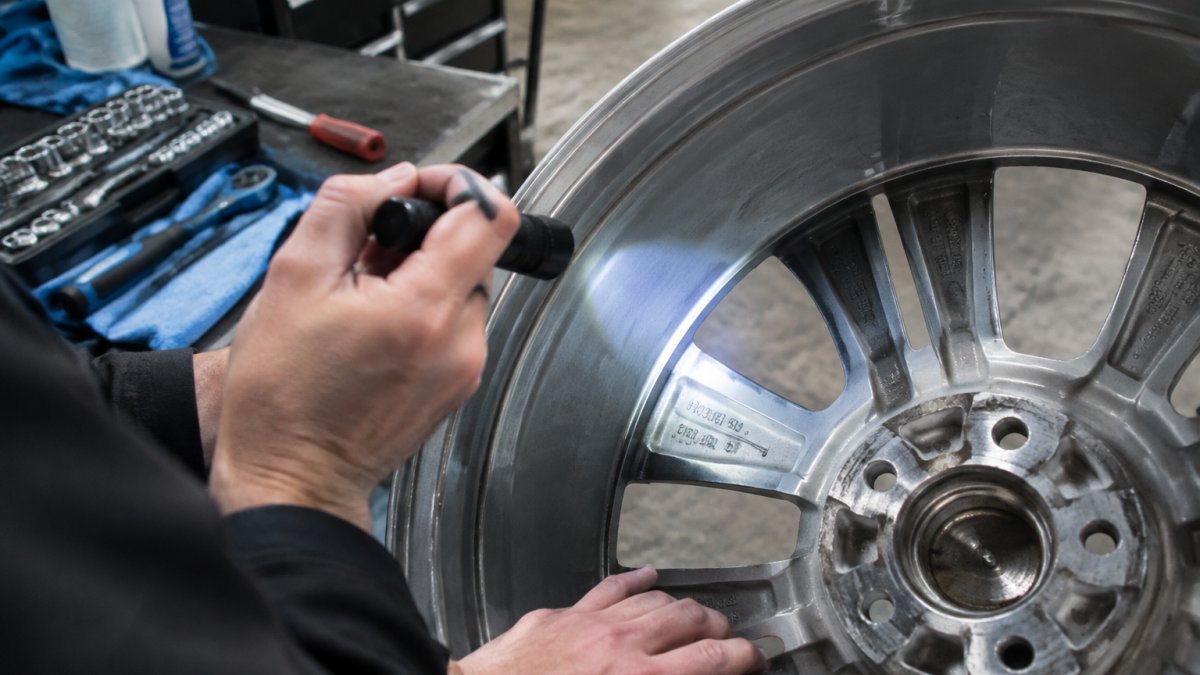
Read the markings in the right order
Start with the part number, which should match what a VIN lookup returns for your car. A number that matches a different model year or trim is a reason to double-check before buying.
Then check the load and size markings against your vehicle's requirements. A load rating below what your car needs is a safety concern, not something to fix with a spacer. Also inspect the finish inside the barrel, not just the face.
Demand documentation, not just a photo
A reputable seller should be able to match a part number to your VIN and provide an invoice listing the part number, quantity and seller identity. Ask for that before you pay.
Weigh it and compare
Comparing a wheel's weight against its published specification for your part number can help you confirm it matches the catalog listing. Judging by the center cap alone is not a reliable check.
Know the counterfeit warning signs
Warning signs to watch for include a price far below market for that part number, no physical business address, and listings without photos of the actual wheel or without a part number. If you have already been burned, the Federal Trade Commission publishes guidance on reporting counterfeit goods. The practical defense is the same either way: verify the part number against your VIN, buy from a seller who will put that number on the invoice, and inspect the back of the spoke before the tire goes on.
Audi OEM Wheels and Porsche Forged Wheels: What to Order for Your Model
Ordering starts with the VIN, not the photo. The same model year can carry different wheel specs depending on trim, brake package and market, so a VIN lookup is the only reliable way to land on the right part number.
For Audi owners, our 19-inch Audi forged alloy wheel is an OEM forged option built to factory sizing, with a satin silver finish and forged aluminum construction. It lists at $629.00.
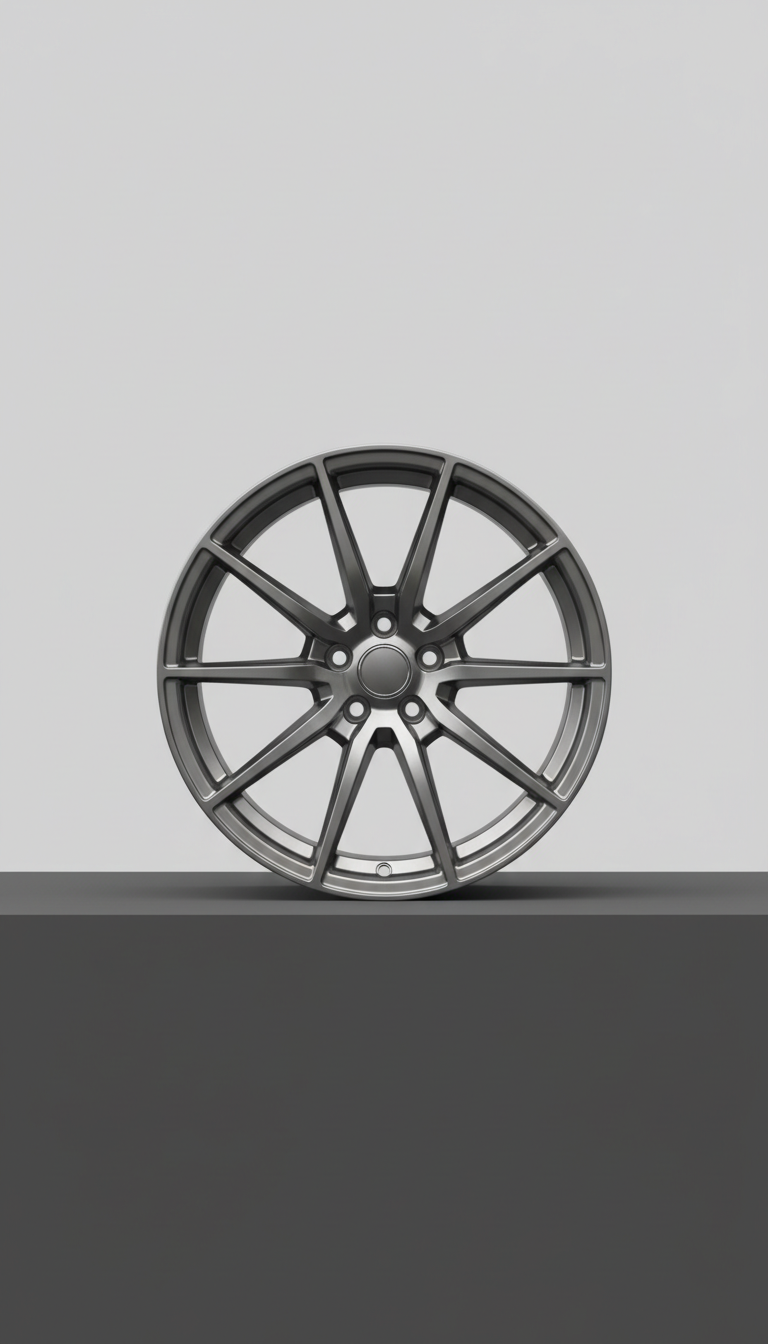
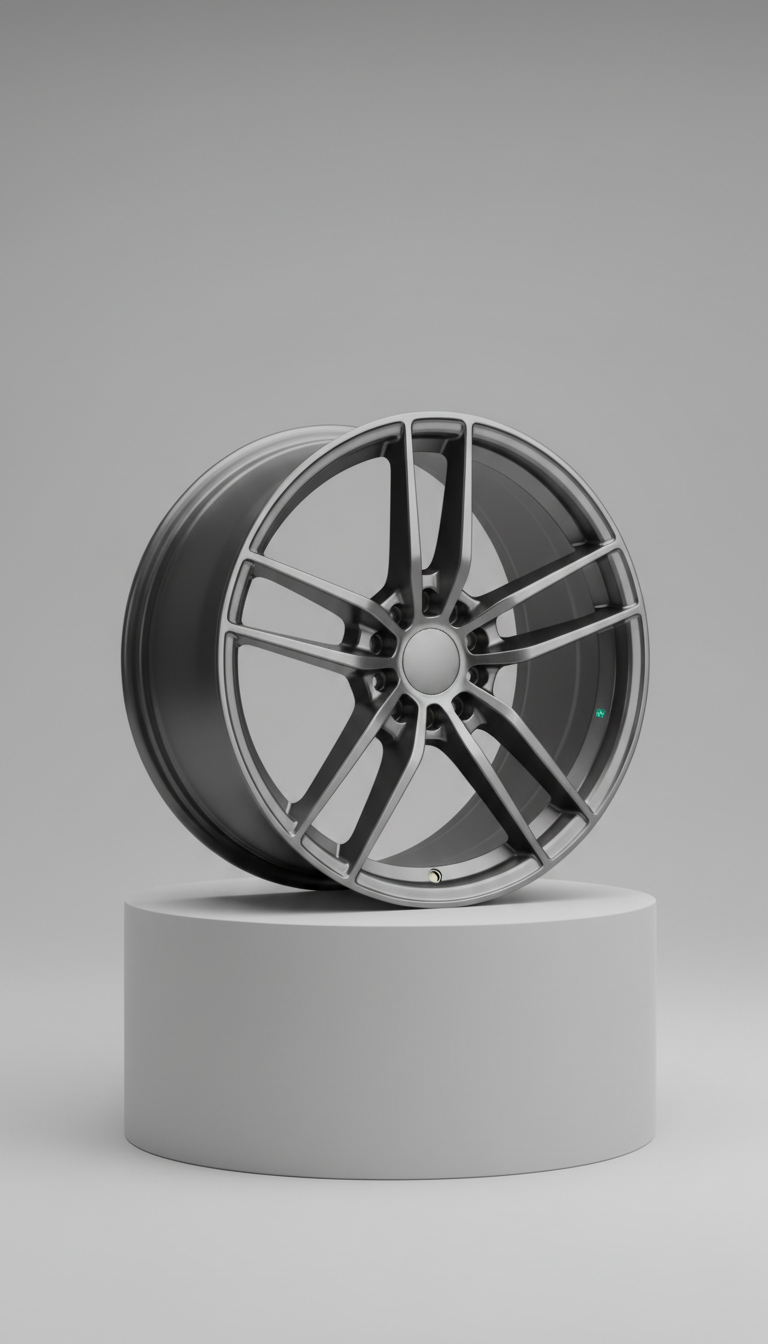
For Porsche owners, the Porsche forged alloy wheel is manufactured to OEM standards for fit and balance, with a corrosion-resistant finish and lightweight construction. It lists at $1,895.00.
If you are unsure which applies, use a vehicle picker or VIN search rather than guessing from a photo of someone else's car.
Long-Term Value: Resale, Ride Comfort and Wheel Repair
Keeping original factory wheels can help a luxury car's resale story, since mismatched aftermarket rims may raise questions for some buyers. That is the resale side. The ownership side is where genuine wheels earn their price back, and it comes down to three things: what the wheel costs to keep, what it costs to fix, and what it costs to replace when a repair is not the right call.
The ownership math
A genuine wheel costs more at checkout, but the later costs are more predictable. Factory finishes are designed to withstand road salt and brake dust, and a cataloged part number makes it easier to replace a single damaged wheel with an exact match. Aftermarket wheels can be excellent, but the buyer carries the risk that the seller's certification, finish, and replacement supply will not hold up over five or six years of daily driving.
Structural wheel problems can develop gradually, through cracking, bead-seat corrosion or loss of roundness, sometimes felt first as a vibration. Regular inspection is worth keeping up.
Inspection and maintenance schedule
A practical routine is to inspect each wheel at every tire rotation and at every seasonal changeover. Look for curb rash on the rim edge, bends in the barrel, corrosion starting at the bead seat, and cracks radiating from the spoke roots. Clean the barrel, not just the face, because brake dust and salt collect where the tire seats and that is where corrosion begins. A wheel with a sound factory finish is generally more resistant to corrosion than one with thin coverage.
Repair or replace
Minor curb rash and small bends are often repairable on an alloy wheel, while cracked wheels or those with significant corrosion or runout beyond tolerance generally need replacement rather than repair. Cracks in particular can be a serious fatigue risk, especially on heavy performance cars.
Ride comfort and wheel size
Larger wheels generally mean shorter tire sidewalls, which can transmit more road texture into the cabin and offer the rim less protection against pothole damage. Choose the wheel size for the roads you actually drive, not the ones in the brochure. If you want the deeper technical picture on how construction affects the car, see our guide on genuine alloy wheels and vehicle handling.
Find the Correct Wheels for Your Audi, Porsche or Volkswagen
The hard part is not choosing a wheel. It is confirming the exact part number for your car before you pay for something that will not fit, and that is where most online orders go wrong.
European OEM Parts Direct offers genuine OEM parts for Audi, Porsche and Volkswagen, with a vehicle picker and VIN search to help match components to your specific car, and convenient shipping.
Get started with European OEM Parts Direct and order the wheel that was engineered for your car, not one that merely looks like it.
Frequently Asked Questions
What is the difference between OEM and aftermarket alloy wheels?
OEM wheels are built to the automaker's own specification for a specific model: exact offset, bolt pattern, center bore and load rating, tested against that car's suspension and brakes. Aftermarket wheels are made to fit a range of cars, so they rely on adapters or compromise on offset. That is why genuine alloy wheels keep factory steering feel and brake clearance, while a generic aftermarket set may rub, sit proud of the fender or change how the car tracks at highway speed.
How do I know if alloy wheels will fit my car?
Check five numbers before you buy: diameter, width, offset, bolt pattern and center bore. Then confirm brake clearance and load rating for your exact model. Alloy wheel fitment is model-specific, not brand-wide, so a wheel that fits one A4 generation may not clear the brakes on another. The safest route is a VIN search, which pulls the factory wheel specification for your car rather than asking you to guess from a size chart.
Are genuine alloy wheels better than aftermarket wheels?
Genuine wheels are built to the automaker's specifications for your model. Aftermarket wheels can be good, but quality varies, and genuine wheels can make part numbers easier to verify against your VIN.
How can I find the correct wheels for my Audi, Porsche or Volkswagen?
Use your VIN rather than your model year alone. A VIN search can help identify the wheel specification for your car, which can vary by trim and brake package. Audi OEM wheels and Porsche forged wheels are listed by part number, so you can match what is on the car now. If you are unsure, confirm the part number with a specialist before ordering rather than comparing photos.